City-States Without Limits
City-States Without Limits – Part 1
New city-states—some being constructed from scratch and others being seeded into existing cities—go by many names. In the US, President Donald Trump has called them “Freedom Cities.” The United Nations refers to them as “human settlements,” the C40 Cities Network calls them “15 minute cities,” The Global Parliament of Mayors sometimes refers to them as “resilient cities,” and the Charter Cities Institute calls them, unsurprisingly, “charter cities.”
But whatever they are called, they have a defined set of common characteristics. All of these emerging city-states are centrally planned and designed to maximise the use of technology. Some are already close to becoming completed “smart cities.” Many of these new city-states, as yet undeclared, have been given independent jurisdiction with varying degrees of autonomy from the nation-states in which they reside.
Perhaps their most striking shared trait is their universal commitment to implement global governance policy initiatives. To this end, many nascent city-states have already joined city-based global governance networks.
Their development is being driven by a public-private partnership investment strategy that is encouraged and supported at the global governance level. Some are currently being built in so called “Special Economic Zones” (SEZs). Other announced city-state developments, such as Freedom Cities in the US, bear all the hallmarks of SEZs. The global proliferation of Special Economic Zones, most notably those with “residential spaces,” is rapidly expanding the potential locations for yet more city-state projects. There are already thousands.
Conspicuous philosophical and political theories, and the city-state landscape forming before our eyes, redefines our concept of global governance. The notion of phasing out the purported “sovereignty” of nation-states is now firmly embedded in the strategies to develop a new kind of intergovernmental structure. One in which the city predominates. The concept of a worldwide network of privatized, corporate city-state “kingdoms” has been embraced and is viewed as the best and most expedient method both for enslaving humanity to a centralised digital surveillance and behavioural control grid, and for establishing firm global governance.
Gov-Corp Technates
In a previous two-part investigation for Unlimited Hangout—The Dark MAGA Gov-Corp Technate Part 1 and Part 2—we explored the so-called philosophy of the Dark Enlightenment and the sociopolitical theory of Technocracy. We saw how these two concepts overlap and witnessed how they have captured the imaginations of a group of Silicon Valley oligarchs—Peter Thiel, Elon Musk, Marc Andreessen, etc.,—who have effectively seized control of the Trump administration. It is recommended that you read those essays to get a perspective on some of the concepts we will expand on here.
The Dark Enlightenment was a philosophical treatise first published by British political theorist and philosopher Nick Land in 2012. It incorporated the ideas espoused by US “thinker,” tech entrepreneur and blogger Curtis Yarvin. Publication of the Dark Enlightenment in the UK and Yarvin’s theories, published in the US, combined to lay the alleged intellectual foundations of what has become known as the Neoreactionary movement (NRx).
In the Dark Enlightenment, Land acknowledged the influence of Peter Thiel on the growth of his own ideas. Specifically, Land referenced Thiel’s 2009 article “The Education of a Libertarian” as formative. Curtis Yarvin describes Thiel as “fully enlightened,” and is a close associate of Thiel’s. Thiel’s Founders Fund financed Yarvin’s tech startup ventures.
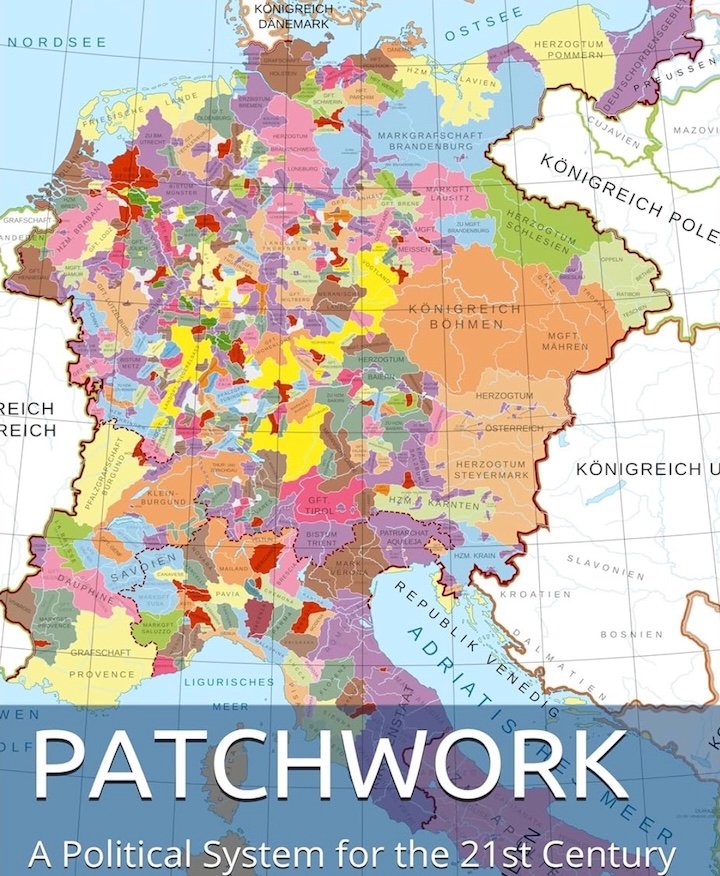
In essence, the Dark Enlightenment proposes that public sector government should be replaced with a form of private sector government. Privatized, corporate realms should be ruled by the CEO “TechnoKings” of “sovereign corporations” (sovcorps) as dictatorships. The realms can then be linked to form what Yarvin termed a “Patchwork” of realms. In 2008, describing his notion of the “Patchwork,” Yarvin wrote:
The basic idea of Patchwork is that, as the crappy governments we inherited from history are smashed, they should be replaced by a global spiderweb of tens, even hundreds, of thousands of sovereign and independent mini-countries, each governed by its own joint-stock corporation without regard to the residents’ opinions.
Yarvin was obviously floating the idea of breaking up nations-states into private fiefdoms where the people living in them have no voice, no individual sovereignty, and are powerless. The ideas of the NRx are extremely authoritarian. The NRx model of “government” is disassociated from any notion of politics as we understand it. As Peter Thiel wrote in his influential 2009 article, the objective is “to find an escape from politics in all its forms.”
It is worth pausing here to emphasise an important point. Neither the NRx nor the technocrats—we’ll cover them shortly—present concepts that fit easily into our comprehension of existing sociopolitical systems. Their intention is to eradicate everything we associate with so-called “representative democracy” and replace it with technological social control systems unlike anything we are currently familiar with, though more of us are starting to grasp what it portends.
For example, in order to access the realm’s currency, the “customer”—there are no citizens in an NRx technocrat run city-state—will need digital ID. Digital ID linked to digital currency will enable all the assets of every “customer” to be recorded and maintained on the realm’s unified ledger. The unified ledger will use Distributed Ledger Technology (DLT) to record all customers’ assets. Consequently, those who control access to the ledger effectively have control of every customer’s life.
Imagining what life was like for oppressed peasants living in the feudal societies of Medieval Europe is probably the best way to visualise the future the darkly enlightened technocrats have in mind for us. Nothing could be further removed from libertarian principles.
The leading NRx technocrats are not the only members of, what we might call, the parasite class who wish to enslave us with digital technology. Nor are they the only oligarchs who want to transform our international polity into a network of city-states overseen by a firm global governance structure. Indeed, the NRx technocrats’ plans have succeeded to this point precisely because they gel with the objectives of the global oligarchy, of which they are a part.
Unfortunately, because the NRx technocrats propose doing away with government and exiting all political systems, this has led some libertarians to imagine that the NRx technocrat’s model is preferable to existing sociopolitical systems. Indeed, NRx influencers like Thiel are happy to be perceived as libertarian and eager to promote the idea that they are. Presumably, they do so because what they actually advocate is much closer to fascism than to libertarianism.
Telling people you want them to live in a corporate controlled technological dictatorship is not an easy sales pitch. Cloaking yourself in faux libertarianism and casting yourselves as the opponents of the globalist oligarchy neatly covers the deceit.
Land posited that gov-corp would operate on the national scale to run “an efficient, attractive, vital, clean, and secure country.” Though the relationship between gov-corp and sovcorps isn’t specified by the NRx (anywhere), given that Yarvin’s notion of sovcorp realms is based upon smashing nation-states to pieces, Land’s idea of a “secure country” run by gov-corp suggests some sort of private ruling body overseeing the “Patchwork” of sovcorp realms. Gov-corp global governance if you like.
Peter Thiel is a leading proponent of the Dark Enlightenment and an advocate for the ideas of the NRx. His fellow tech-oligarch Elon Musk, who, like Thiel, heavily backs the Trump administration, avidly promotes the implementation of Technocracy. Often described simply as a sociopolitical system controlled by relevant experts, as Musk well knows, Technocracy is much more than that.
Technocracy is a comprehensive centralised social and behavioural control system which dictates every aspect of what genuine “technocrats,” like Musk, call “the social mechanism.” Human beings are reduced to programmable automatons or “human engines” whose actions can be controlled through the surveillance of the monetary system and the economy, and through the centralised management and allocation of all resources.
Technocrats assume that there is no problem that technology cannot resolve. Crucially, Technocracy relies upon a redesigned monetary system that maximises the use of technology to monitor and manipulate every transaction. By doing so, the “function” of the human engine in the “social mechanism” can be programmed. All human behavior is regulated, permitted or restricted in a Technocracy. By overseeing the distribution of all resources, combined with firm conditions placed upon all economic activity, the behaviour of every business and every individual across the entire social mechanism—we would say across the whole of “society”—can supposedly be precisely engineered by the technocrats in a Technocracy.
The original founders of the Technocracy movement in the US envisaged the replacement of all nation-states on a continental scale and the establishment of a North American Technate. A “Technate” would be run by a “Continental Board” who would select a “Continental Director” from within their ranks to rule the entire Technate as a technological dictatorship.
Musk’s own family history is steeped in the Technocracy tradition and he has openly declared his ambition to establish Technocracy. To give an example, in an October 2024 exchange on Musk’s ‘X’ social media platform (formerly Twitter) between Musk and Guillaume Verdon, Verdon said “The Network State for Mars is being formed before our eyes.” Musk enthusiastically replied, “The Mars Technocracy,” to which Verdon gleefully responded “Count me in.”
Verdon is the founder of the Effective Accelerationism (e/acc) philosophical wing of the NRx and a tech entrepreneur who established the AI hardware startup Extropic in 2022. Like many members of the NRx, Verdon also desires Technocracy. There are notable similarities between Dark Enlightenment philosophy—if you can call it that—and the sociopolitical and socioeconomic theories inherent in Technocracy.

Both the NRx and the technocrats believe that technology is the panacea for every problem and that society—whatever they might choose to call it—should be governed through the use of technology. Therefore, in today’s technological age, both the NRx and the modern technocrats advocate a form of government largely administered by artificial intelligence (AI).
The NRx and the technocrats champion oligarchy—government by a small group of powerful people. The NRx posits that “realms” should be controlled by the CEO “TechnoKings” of a sovcorp, with the CEO of gov-corp apparently ruling the patchwork of realms. Similarly, technocrats think the Technate should be commanded by the “Continental Board” led by the “Continental Director.” Both the NRx and the technocrats want to remove all semblance of democratic oversight and establish technological oligarch-led dictatorships.
The NRx and the technocrats consider humanity worthless and expendable. For technocrats, we are “human animals” to be trained or controlled like a dog or a vehicle. For the NRx we are the “unthinking demos” whose individual sovereignty should be treated “with derision.” The NRx would like to transform us into cyborgs so that we can be programmed and they want to psychologically imprison whomever they deem “undesirable” as “bee larva” waxed in a virtual cell. Modern technocrats, such as Musk, consider us meatsacks, nothing more than “a biological bootloader for digital superintelligence.”
Verdon, alongside Nick Land and others, is considered among the patron saints of “Techno-Optimism” by leading NRx advocate and Silicon Valley oligarch Marc Andreessen. In 2023, he published the Techno-Optimist Manifesto. In his Manifesto, Andreessen wrote:
We believe that there is no material problem — whether created by nature or by technology — that cannot be solved with more technology. [. . .] Combine technology and markets and you get what Nick Land has termed the techno-capital machine, the engine of perpetual material creation, growth, and abundance. [. . .] We believe in accelerationism — the conscious and deliberate propulsion of technological development. [. . .] We believe Artificial Intelligence is our alchemy, our Philosopher’s Stone.
All NRx devotees, such as Andreessen, consider themselves accelerationists. They believe in the aggressive application of Joseph Schumpeter’s “Creative Destruction.” In his 1942 work Capitalism, Socialism, and Democracy, Schumpeter described Creative Destruction as:
The opening up of new markets, foreign or domestic, and the organizational development from the craft shop to such concerns as U.S. Steel illustrate the same process of industrial mutation—if I may use that biological term—that incessantly revolutionizes the economic structure from within, incessantly destroying the old one, incessantly creating a new one. This process of Creative Destruction is the essential fact about capitalism. [P. 83]
Schumpeter was describing an effect of capitalism: the tendency for technology to revolutionise and destroy old markets by replacing them with new ones. Think how the terrestrial television and radio advertising markets have been replaced by the online digital advertising market.
Schumpeter realised that this capitalist evolution of markets has wider social implications. As the leaders of large monopolies and dominant industries exert sociopolitical influence, Creative Destruction implies more than just a revolution of commercial activity. It shifts the sociopolitical and socioeconomic order too. Again, consider the waning influence of Television and the increasing influence of social media.
Accelerationists like Andreessen and Thiel, adopting Land’s Dark Enlightenment, see Creative Destruction not just as an effect of capitalism but as a tool to propel the evolution of capitalism, rendering capitalism itself a controllable revolutionary force. They can achieve this, they assert, by investing in whatever they consider to be a disruptive technology with the potential to change society. In so doing, they believe they can manipulate and control the development of new sociopolitical and socioeconomic systems and bring us closer to being ruled by the corporate monarchy they wish to form.
The “we” Andreessen refers to in his Techno Optimist Manifesto is a group consisting of Silicon Valley oligarchs—of which Andreessen is one—alongside Thiel, Musk, Sam Altman, Palmer Luckey, Larry Ellison, Joe Lonsdale, and David Sacks, etc. Joining them are a gaggle of NRx acolytes and aspiring oligarchs, like Balaji Srinivasan and Guillaume Verdon. Working together to shape the policies and initiatives of the current Trump administration, this core group is applying the Dark Enlightenment and installing Technocracy in the US. But the US isn’t the only nation-state undergoing such oligarch-led “transformation.”
Though it is a stretch to call Land and Yarvin’s ramblings “philosophy,” we could say that the Dark Enlightenment provides the philosophical underpinning for the move to a system of city-states. Technocracy outlines the social control mechanism—the operating system of the city-state if you like—that will surveil and engineer our behaviour should we find ourselves trapped in one of their corporatised city realms: gov-corp Technates.
The NRx technocrats’ ideas overlap with the blueprint already being implemented at the intergovernmental level by their senior globalist oligarch brethren—and they are overwhelmingly, though not exclusively, men. The global oligarchy wants to install a “Multipolar World Order” (MWO) as the final bureaucratic redesign of global governance prior to instigating firm global government—sometimes referred to as the New World Order—overseeing a patchwork of city-state realms.
This may all read like very bold claims, but we’ll explore the evidence demonstrating the fact in these two articles.
The Orbital Authority Sham
Certainly leading NRx “thinker” Curtis Yarvin is fully onboard with a proposed system of global dictatorship ruling a patchwork of city-state realms: the ultimate gov-corp Technate. In his 2024 piece “The Orbital Authority,” Yarvin metaphorically argues, as is his want, that weaponising space will make all forms of terrestrial warfare redundant. He posits that air, sea, and land forces will be rendered “obsolete” by the “Orbital Authority” that controls space weaponry and directs warfare from orbit.
Bear in mind that NRx technocrats like Yarvin view AI as their “philosopher’s stone”—symbolizing material and spiritual transformation. They disconnect AI from humanity and perceive it as a separate entity, as a “superintelligent” consciousness. In his article, Yarvin wrote:
Mars, god of war, is the father of all things. Orbit is the ultimate high ground. When we conquer orbit [. . .] we have conquered the Earth. [. . .] The most important task of any weapons system is to defend itself. Not only could a 21st-century [orbital weapons system] defeat a nuclear first strike, it could defeat any attempt to defeat the system itself. It would serve as a launch denial system. It would destroy any previously unannounced launch—rendering orbit a monopoly.
Evidently Yarvin envisages some sort of independent, autonomous, monopolistic AI “Orbital Authority.” Like the “father of all things” this weaponised superintelligence dominates the “ultimate high ground” to effectively conquer the Earth.
Yarvin’s fellow NRx technocrat Nick Land has long argued that capitalism is a simulacrum for AI, by which he means a distinct “non-human” intelligence. Land came to this conclusion as a result of his unusual interpretation of one of the basic tenets of Austrian Economics.
Formative Austrian Economist Friedrich Hayek observed that any market economy is an “information, processing system.” Austrian economists emphasise that individual actions and decisions drive markets and therefore, to a great extent, value is subjective (methodological individualism). Thus, for Austrian Economists, prices are the result of a decentralised information exchange at the whole capitalist economy scale.
In 2011, shortly before he published the Dark Enlightenment, this led Land to conclude:
What appears to humanity as the history of capitalism is an invasion from the future by an artificial intelligent space that must assemble itself entirely.
Of course, this is not what Austrian Economists like Hayek argued. In their model, the information system is formed by price signals emanating from the needs and desires of individual human beings. Though the complexity of all signals in a large market economy is beyond the analysis of any one individual or bureaucracy (economic calculation problem), there is nothing “artificial” about it. The price system is not a separate self assembling entity, as Land wants to believe, but rather the product of human interactions. It is a distinctly “organic” system, for want of a better term.
Sharing Land’s view that AI is, or will become, an independent entity beyond human intervention, in his 2024 article, Yarvin envisioned that “the Orbital Authority dominates, owns and controls the whole planet.” It is not difficult to appreciate that for Yarvin, Land and other NRx technocrats, “Orbital Authority” is a metaphor for ascendant, AI-controlled, automated and well-armed global governance systems.
Advocates of the Dark Enlightenment have been developing AI weapons technology for decades. Thiel’s Palantir, for example, has seen its 2025 second quarter sales jump by 48% due, in part, to the success of its Lavender, Gospel, and “Where’s Daddy” AI targeting systems. These have been deployed, with Palantir’s assistance, by the Ukrainian and Israeli militaries.
Because NRx technocrats like Musk, Land and Yarvin imagine AI to be a “superintelligence,” they present theories about the future of humanity that assume AI will inevitably become an independent, conscious entity that we will have no choice but to obey. They are certainly committed to engineering this future if they can.

Yarvin’s figurative “god of war”—Orbital Authority—is a typical example of the circular reasoning frequently exhibited by NRx technocrats. They imbue AI with abilities it doesn’t possess and then advocate AI as a solution to humanity’s problems based upon their unfounded insistence that AI possesses said abilities.
In truth, before we get to Self-Aware AI—which the NRx technocrats claim is inevitable—AI developers first have to overcome a whole range of tricky problems to achieve Theory of Mind AI. As Theory of Mind AI is currently purely hypothetical, the assumption that Self-Aware or Superintelligent AI is imminent is highly questionable, to say the least.
Indeed, we might wonder how it is possible for NRx technocrats to program a computer algorithm to be conscious when, as yet, no human being can define consciousness. As highlighted in March 2024 by Professor Arthur T. Johnson:
[A] sufficient definition of the nature of consciousness has not yet been satisfactorily established. How the brain conjures conscious awareness from the electrical activity of billions of individual nerve cells remains one of the great unanswered questions of life. And what this consciousness actually means is not easy to define. Trying to extend whatever is known about consciousness in living beings to an AGI [artificial generative intelligence] would be difficult, if not unreasonable, at this time.
Ideologically, not rationally, setting AI as their “philosopher’s stone,” the NRx technocrats seek to establish an international “patchwork” of AI-managed “neostates,” though we can accurately refer to them as gov-corp Technates. This dispersed network, they contend, will decentralise and localise authority.
Yarvin seemingly creates a paradox between decentralised authority and the absolute centralisation of all “Orbital Authority.” Such jarring contradictions are not uncommon for the NRx technocrats.
Yarvin’s proposed Orbital Authority will ensure the “Patchwork” will flourish because military conflict between the city-states will become impotent, if not impossible, under the Orbital Authority’s watchful eye and its ability to destroy any aggressor. So, in Yarvin’s view, it matters not who controls the Orbital Authority, only that it exists.
If you posit, as NRx technocrats do, that Orbital Authority—global government—will not be exercised by people but by the dispassionate logic of an AI “superintelligence,” then Orbital Authority is the great saviour protecting us from our own self-destructive urges. It is a “god” allowing us to decentralise into the Patchwork. Thus, sociopolitical decentralisation is enabled by the centralisation of all power and authority beyond humanity’s control.
The metaphorical Orbital Authority for which Yarvin advocates is a sham concept and he admits as much in his own musings.
Yarvin asks:
Where does the Orbital Authority come from? Who creates this force? Who are the people who operate it? [. . .] All good questions. But this is one future I would want to live in.
Yarvin likes the idea of a single, logical dictatorship ruling the Earth for no other reason than it fits with his own ambition to establish a worldwide structure of city-state realms. He essentially argues that a cohesive, overarching AI world order with the power to annihilate humanity will lead humanity to “flourish” in a network of “thousands of independent sovereign states and city-states.”
Yarvin casually dismisses the “good questions” he asks. The question of “who creates” and thus controls the imagined Orbital Authority ruling the entire patchwork planet is, he insinuates, of secondary importance. Like all NRx technocrats, Yarvin wants us to accept the fundamental principle that dictatorship is good.
NRx technocrat oligarchs, like Thiel and Musk, say they are opposed to any form of world government. Thiel claims he views world government to be the manifestation of the Antichrist. Nonetheless, the question of who rules is of primary importance to the global cartel of oligarchs who have, for generations, been plotting to establish themselves as unchallenged world rulers.
If, as NRx technocrats proclaim, they wish to avert world government, it appears their efforts to establish a patchwork of city-state realms is a monumental miscalculation. So much so, that we might suspect the NRx technocrat’s protestations are a ruse. Their globalist oligarch partners have been trying to construct exactly the same city-state network for decades, precisely because it better facilitates global governance and, thereafter, the move to global government—Orbital Authority.
In reality Thiel, Musk, Andreessen, and Sacks et al. are members of the same global oligarchy. Thiel and Palantir co-founder and CEO Alex Karp, for example, are on the steering committee of the Bilderberg Group. Even the mainstream media concedes that the Bilderberg group has the authority to concentrate “control at the top of the Atlantic alliance [NATO].” A private oligarch network controlling NATO is approaching the Orbital Authority Yarvin imagines. Like Yarvin, it seems the mainstream media is only interested in the fact that private sector international authoritarianism exists, accepting its presence without question.
In all likelihood, Yarvin, Land, Thiel, Musk and Andreessen, etc., know that AI is not a potentially independent, artificial god—though they pretend it is and that its arrival is unavoidable. Yarvin certainly seems to infer that AI is and will always be a technological tool controlled by human beings, some of whom have very specific agendas.
As Yarvin reluctantly admits, the people who control his conceptualised “Orbital Authority” are not irrelevant. On the contrary, this is the key question that should concern us all.
The Decentralisation to Recentralisation Trick
NRx technocrat Balaji Srinivasan explained the decentralisation to recentralisation trick in his 2022 book The Network State: How To Start a New Country. The decentralisation of a patchwork of realms enables what he calls the recentralisation of authority.
Srinivasan outlines how a network archipelago—synonymous with an NRx realm—could initially form as an online community. This networked community, comprising of people who perhaps own property or land (physical assets), would form “physical nodes” that could then be linked together to form “a set of digitally connected physical territories distributed around the world”—the network archipelago.

Importantly, though the nodes on the network archipelago are linked to physical assets (property or land for example) they form a digital network—via the unified ledger recording all assets—to “seamlessly link the online and offline worlds.” Once the archipelago is established, the community would crowdfund the acquisition of more physical assets and territory, fund construction and finance expansion to form private “enclaves.”
Srinivasan wrote:
With the internet, we can digitally sew these disjoint[sic] enclaves together into a new kind of polity that achieves diplomatic recognition: a network state.
The network state, then, appears to be an international, dispersed or decentralised neighborhood of like-minded individuals who want to break free from the traditional state system. This is an intriguing proposition that appeals to libertarians who value decentralisation as a means of tackling the problems caused by the centralised concentration of political authority: wars and genocides, for example.
Srinivasan says that NRx technocrats like himself aren’t communists imagining a Utopia but rather “technologists that believe in individual initiative subject to practical constraints.” Srinivasan declares that the future he and his cadre of Dark Enlightenment enthusiasts desire is “one where we materialize many startup societies, get a few diplomatically recognized as network states, and rebuild high-trust societies via a recentralized center.”
The network state is seemingly a decentralised web of “physical territories” that are linked together by digital technology. Every asset held by every customer of the network state, no matter in which country they currently reside, is recorded on the network state’s digital ledger. Srinivasan wrote “nothing officially exists unless it’s on-chain, in the blockchain system of record for that society.” He said that in the network state—gov-corp Technate—he desires, “all value goes digital.”
On the surface, it would seem that the network-state model offers the kind of decentralisation that could potentially emancipate people from oppressive state control. Egalitarian decentralisation appears at least possible if the network state utilises permissionless Distributed Ledger Technology (DLT), such as the permissionless blockchain, as the backbone of its “startup” society.
Srinivasan declared:
An integrated cryptocurrency [. . .] is the digital backbone of the Network State. It manages the internal digital assets, the smart contracts, the web3 citizen logins, the birth and marriage certificates, the property registries, the public national statistics, and essentially every other bureaucratic process that a nation-state manages via pieces of paper.
Though there is no agreed formal definition of the Web 3.0 iteration of the internet, a reasonable description is a world wide web that places “a strong emphasis on decentralized applications and probably make[s] extensive use of blockchain-based technologies.” However, in order for the potential humanitarian benefits of digital decentralisation to be realised, it is essential that the DLT backbone of Web 3.0 is based on permissionless ledger technology.
Crucially, anonymous, open network access to open source permissionless ledgers would potentially allow people to validate transactions, exchange secure data and engage in the administrative processes necessary for a society to function without being subject to any approving authority. The “high-trust” Srinivasan mentions would be established between individuals and parties via systematic cryptographic verification of digital transactions, such as the exchange of signed contract agreements or payment made using digital currency. Thus, in theory, no third party approbation would be required for people to “trust” the decentralised system and, consequently, each other.
A permissioned ledger presents us with a very different proposition. Access to the digital ledger is permitted or denied by controlling individuals or parties. Transactions are approved via consensus exercised by those with the appropriate level of permissions. Decentralisation is limited and only extends to the permission holders, whoever they may be. “High-trust” is not achieved systematically, it is granted by the permission holders.
Srinivasan didn’t specify whether the network state would operate on a permissionless or a permissioned ledger. Instead, he said that the ledger will be “publicly auditable,” “tamper-proof,” “cryptographically verifiable,”, etc. This might suggest he favours a permissionless system. On the other hand, he heavily criticised what he called “Bitcoin Maximalism,” by which he meant that Bitcoins permissionless blockchain “takes many libertarian leanings to their irrational limits.”
Given the importance of the distinction, the absence of any affirmation from Srinivasan seems like an odd and conspicuous omission. Certainly everything else Srinivasan proposed in The Network State strongly suggests his preference for an authoritarian, permissioned blockchain ledger.
According to Srinivasan, the NRx technocrats want a “mass exodus of people from [the nation-state] to the recentralized center, to high-trust startup societies and network states.” If, as they claim, centralised authority is something they wish to avoid and decentralisation is a principle they hold to, then what is the “recentralized center” in the network state model?
For a start, the network state will have “a clear founder to provide direction”:
The primary goal of [. . .] the tech founder is to build — and for no one to have power over them. [. . .] Today, there are two kinds of revolutionaries: technological and political. And there are two kinds of backers of these revolutionaries: venture capitalists and philanthropists. The backers seek out the founders, the ambitious leaders of new technology companies and new political movements. And that is the market for revolutionaries. [. . .] In short, once we see that a tech founder builds a startup company to effect economic change, and a political activist builds a social movement to effect moral change, we can see how the startup societies we describe [gov-corp Technates] in this work combine aspects of both.
If “no one” has power over the founder, or founders, of the network state then they are individually sovereign. But the founder(s) also provides “direction” in the network state. Thus the founder is also the supreme sovereign of the network state. They effect economic and moral dictatorship thanks to the support they receive from the revolutionary “venture capitalists and philanthropists” that act as their backers and anyone else who agrees with the founder’s vision. Of course, venture capitalists and philanthropists don’t invest anything without expecting some sort of return on their investment (ROI).
The network state is sold to us as a libertarian concept, but libertarianism is based upon individual sovereignty. Srinivasan outlines how sovereignty will supposedly function in the network state:
[P]eople from other countries that want to maintain their own sovereignty will need to avail themselves of BTC/web3 for decentralized communication, transaction, and computation.
Remember, in a network state “all value goes digital” and “nothing officially exists unless it’s on-chain.” Consequently, sovereignty only exists if you own assets (digital or physical) on the network state’s ledger. Your sovereignty is directly proportional to your wealth in a network state.
Should the “customers” of the network state not like the direction decreed by the founder they could “freely leave should they choose.” This assumes that the customer has the means to move elsewhere. If not, they don’t actually have any choice, nor any individual sovereignty, and have no option but to submit to the “directions” issued by the “founder[s].”
In order to access the network state’s ledger you will need digital ID and Srinivasan uses the acronym ENS (Ethereum Name Service) as a proxy for digital ID. Similarly, rather than call the network state’s victims “customers,” Srinivasan calls them “users”:
[A] user has consented to be governed by a startup society [network state founder] if he has signed a social smart contract that gives a system administrator limited privileges over that user’s digital life in return for admission to the startup society. [. . .] As more physical territories are crowdfunded by a startup society, and more smart devices within those territories are owned by the society, it can exert consensual digital governance within those territories on all who opted in by signing the social smart contract. For example, if someone misbehaves within a given startup society-owned jurisdiction, after [an AI arbitrated] digital trial, their deposits could be frozen and their ENS [digital identity] locked out of all doors for a time period as a punishment.
To reiterate: nothing exists in a network state—gov-corp Technate or city-state—unless its is represented on the ledger. Therefore, your life is represented on the ledger by creating your “digital twin.” It is only your digital twin that is deemed to exist. Companies like the Israeli AU10TIX, which is a subsidiary of the Israeli intelligence-founded ICTS, provides digital ID solutions that are creating your “digital twin” life on platforms like X.
AU10TIX explains:
Digital ID functions as a Digital Twin of your identity. [. . .] Digital IDs continuously validate your identity using biometrics, [. . .] your Digital ID evolves with risk signals, fraud prevention insights, and changing credentials—ensuring it remains accurate and trustworthy. [. . .] A true Digital ID isn’t just tied to one institution. It’s reusable across banks, government services, airlines, and online platforms.
The seamless link between “online and offline worlds” means whatever “limits” are placed on the virtual life of your “digital twin” are placed on yours. Agreeing to hand over “limited privileges” to the “system administrators” who control the “digital life” of your “digital twin” in a network state—where your only option is to flee if possible—is voluntary slavery.
Having your access to funds cut off and being unable to access goods or services, or use any “smart devices”—such as your fridge—if AI judges that you have “misbehave[d]” doesn’t sound very libertarian. But that’s understandable because the Srinivasan is of the view that digital slavery is just something we all need to accept:
[T]he network state system assumes that states [. . .] will continue centralizing the power of their tech companies into one all-seeing dashboard, capable of surveilling, deplatforming, freezing, and sanctioning millions at once, or anyone at will. [. . .] The network state system assumes that we can’t fully put this genie back in the bottle, but we can constrain it.
We all need to be very clear in this point: the NRx technocrats are currently instrumental in building and deploying the AI-based systems that will “centralize the power” of their “tech companies” within nation-states. The NRx technocrats are also rolling out the state social credit technology that is increasingly “deplatforming, freezing and sanctioning” both organisations and individuals. That is to say, the NRx technocrats are constructing the digital gulag that their representatives, such as Srinivasan, are warning us against.
Their offered solution is that we all adopt digital ID, sign a “social smart contract” and thereby consent to live our lives subject to the tyranny of the founders in gov-corp Technate city-states. We’ll still be subject to total digital surveillance and control—this is inevitable apparently—but it will be “constrained” if we opt to live in their private fiefdoms. In the time-honoured tradition of the so-called representative democracy they claim to oppose, the NRx technocrats are offering us the lesser of two evils, but it is evil nonetheless.
Bearing this dystopian alleged inevitability in mind, Srinivasan posits that life in western representative democracies is plagued by “woke capital,” permissionless blockchain use represents “anarchic decentralisation,” and subservience to the authoritarian nation-state he describes as “coercive centralisation.” The network state, he contends, offers a better way: volitional recentralization.
He wrote:
[T]the whole point is that the new boss [the founder] is not the same as the old boss. [. . .] Recentralization means new leaders, fresh blood. [. . .] Recentralization, done right, is a cycle back to centralization from one vantage point but a step forward from another.
For human beings, there is no “step forward” to be taken within the network state. Quite the opposite in fact. Subjecting yourself to the dictatorial rule of the network state founder is a regression back to feudalism. Srinivasan’s “volitional recentralization” is oligarchy.
The only sense in which the network state, or city-state realm, neostate, or gov-corp Technate, Freedom City, Charter City, or Special Economic Zone—whatever nomenclature you prefer—could be said to be “decentralised” is that the “patchwork” of realms is designed to decentralise and diminish the sovereign authority asserted by national governments.
The offer of “decentralised” authority might sound enticing to libertarians, but breaking up nation-states into corporate-controlled “enclaves” run by founding CEO despots doesn’t offer anyone a viable escape route either from corrupt government or state oppression. Yarvin’s “Patchwork” is not a network of decentralised archipelagos, it is a network of recentralized, “founder” controlled city-state fiefdoms.
If anyone chooses to live in one of these networked enclaves, they will have escaped the rule of government and opted for the rule of “venture capitalists and philanthropists” and their designated “founders.” That is to say, they will find themselves living under the direct rule of oligarchs absent any means of redress.
Unfortunately, there is no “choice” on offer. As we shall see in Part 2, there is instead a “plan” to initially force the dispossessed and the least powerful to live in gov-corp Technates. Privately “owned” city-states are set to be the “human settlements” entrapping billions of people.
Oligarch Revolutionaries?
According to Marc Andreessen’s “Techno-Optimist Manifesto,” the NRx identifies a number of ideas as their “enemy.” These include “statism, authoritarianism, collectivism, central planning, socialism, [. . .] bureaucracy, [. . .] corruption, regulatory capture, monopolies, [and] cartels.” Andreessen also claims the NRx technocrats oppose “social engineering.”
Clearly, then, the NRx technocrats say they are antagonistic to the centralised bureaucratic state that socially engineers its population and is corrupted by wealth. This apparent opposition is shared by many, if not all libertarians. Regrettably, for libertarians lulled into endorsing the network state, NRx technocrats don’t genuinely harbour any such antagonisms.
Andreeseen’s Manifesto presents us with numerous paradoxes. Despite identifying ideas like authoritarianism and central planning as their “enemy,” the network state, or gov-corp Technate, is centrally planned and administered, and avowedly authoritarian. Gov-corp Technates are designed to be jurisdictional monopolies that link people’s digital ID to their use of digital currency enabling the “founder[s]”—and other with the necessary permissions—to punish whoever is subjectively judged to have “misbehave[d].” Such a system is obviously intended to maximise the reach and impact of social engineering.

In a similar vein to Srinivasan’s reluctance to disclose the permission status of the network state’s ledger, Andreessen’s list of enemies is highly suspicious. NRx technocrats may say they are opposed to all these enemy-ideas, but the gov-corp Technates they want to impose are largely based upon those very same concepts. Deception appears to be a consistent NRx technocrat tactic.
The casting of venture capitalists and philanthropists as “revolutionaries” is both part of NRx technocrat ideology and treachery in equal measure. NRx technocrats automatically consider venture capitalists and philanthropists “revolutionaries” if they are accelerationists. So Peter Thiel—a Bilderberg group Silicon Valley venture capitalist and philanthropic accelerationist oligarch—is a revolutionary, according to NRx technocrat “thinking.”
If we consider the etymology of the word “revolutionary” to mean one who seeks the “overthrow of an established political or social system,” then NRx technocrat oligarchs like Thiel, Musk, Andreessen, and Sacks could be considered revolutionaries. They seemingly wish to overthrow every established political or social system.
With one notable exception: oligarchy.
Despite what most people believe, be it a constitutional federal republic, a constitutional monarchy or a unitary constitutional republic, the democratic nation-state they live in is not what they think it is. From the standpoint of political science, the US, for example, is actually a “functional oligarchy.”
Referencing the extensive policy research of political scientists Martin Gilens and Benjamin Page, Professors Archon Fung and Lawrence Lessig reported:
[Gilens and Page studied] 1,800 policy proposals over 30 years, tracking how they made their way through the political system and whose interests were served by the outcomes. For small-d democrats, the results were devastating. Political outcomes overwhelmingly favored very wealthy people, corporations, and business groups. The influence of ordinary citizens, meanwhile, was at a “non-significant, near-zero level.” America, they concluded, was not a democracy at all, but a functional oligarchy.
Nearly every other economically advanced nation operates the same sociopolitical model: functional oligarchy. That is not to say that all functional oligarchies are the same.
An oligarch is simply someone who has converted their immense wealth into political authority. In the West, despite the published political science demonstrating that Western democracies are functional oligarchies, the manner in which the oligarchy controls the polity is denied or obfuscated. The situation elsewhere, in China for instance, is somewhat different.
In China, having vast wealth is seen as a legitimate pathway to political influence. The National People’s Congress (NPC), China’s highest organ of state power, has more than 100 billionaires and is almost certainly the wealthiest legislative body on earth. Reporting this fact in 2018, the New York Times put a typically Western spin on their report:
In a country where the Communist Party makes all the big decisions, Chinese lawmakers hold very little political power. But they have plenty of money. [. . .] According to the Hurun Report, a research organization in Shanghai that tracks the wealthy in China, the net worth of the 153 members of China’s Parliament and its advisory body that it deems “super rich” amounts to $650 billion.
Though it is true that the Communist Party of China (CPC)—often called the CCP in the West—has a grip on power, that does not mean it is all powerful, contrary to how it is often portrayed. Innovation is driven by private sector finance and partnerships in China just as it is nearly everywhere else. Consequently, China is no more immune from oligarch influence than other nations.
What the NYT didn’t mention is that 97 of the top 100 richest oligarchs were, at the time, members of the Chinese People’s Political Consultative Conference (CPPCC). The internal CPPCC “national committee” is a powerful advisory body within China’s “consultative democracy” model.
Xi Jinping rose to power thanks due, in no small measure, to the support he received from the Chinese oligarch faction—of which he is one—called the Princelings. Since taking supreme power, Xi Jinping premiership has been marked by his own political power grab and a resultant power struggle between China’s oligarch factions.
Acknowledging this reality is not to suggest that China’s functional oligarchy is worse than any other. The practical difference between China’s functional oligarchy and functional oligarchies elsewhere is that China’s is more overt and is, to all intents and purposes, formally institutionalised as the public sector. In the West, conversely, we are supposed to believe that the public sector governments we elect are in charge and a buttress against private sector oligarch control. Our propaganda consistently promotes this myth.
The NRx technocrat “revolutionary” has no intention to “overthrow [the] established political or social system.” Their envisaged patchwork of gov-corp Technates enhances the established political system of functional oligarchy. Once we grasp that an international patchwork of gov-corp Technates, under the “Orbital Authority” of all powerful global governance structure, is what the global oligarchy desires, the seeming contradictions presented by Land, Yarvin, Andreessen, Srinivasan and others are decipherable.
Oligarch’s Private Jurisdictions
It is within the context of the functional oligarchy-state system that we can start to make sense of what would otherwise seem inexplicable. The influential NRx technocrat’s Balaji Srinivasan supposedly opposes statism. Yet, he simultaneously anticipates diplomatic recognition for his city-state projects from the nation-states they infest.
Governments often wage wars if anyone tries to seize any part of their claimed national territory. Why would any national government passively allow its territory to be ceded to private individuals to set up their own fiefdoms—with their own jurisdictions—beyond state regulation and control?
It would be easy to dismiss Srinivasan’s diplomatic recognition objective as ludicrous were it not for the fact that governments across the world serve as functional oligarchies and are currently ceding territory and jurisdiction to private investors. The proliferation of Special Economic Zones (SEZs) attests to the fact.
In October 2022, the Institute for Decentralized Governance (IDG) published a research paper analysing the legal framework for establishing SEZs in more than eighty countries. The IDG noted that there is “a similar pattern” to all “zoning” frameworks. The creation of a “new authority”—referred to in the paper as just “the authority”—is an essential first step, or so we are told.
The Governing Board of the authority is usually a public private partnership between government officials, a representative of the nation’s central bank, and the private sector investors who are the “revolutionary” venture capitalists and philanthropists. Once established, however, the SEZ authority is registered as “a body corporate with its own common seal, which is empowered to enter into contracts in its own name and which can sue and be sued.” The Governing Board, usually in consultation with the government, will appoint the CEO of the SEZ authority.
If this sounds familiar, it is because this is also the model for the network state—or the gov-corp Technate. The only difference is that, in an SEZ, the sovereign corporation (sovcorp) is a public-private partnership whereas, in the NRx technocrat model, the sovcorp of a realm is an entirely private corporation. But this amounts to little more than semantics because governments, as functional oligarchies, are effectively controlled by the private sector already.
The SEZ authority determines the “special legal regime” that operates in the SEZ. Typically this will include sweeping corporate tax exemptions and other economic incentives, such as no ownership restrictions, exclusion from national monopolies and merger regulations, and lax—often extremely lax—labour laws.
The authority—a CEO-run corporation—then licenses the developer and the operator of the SEZ. The role of the developer is to “design, construct, and extend the zones. This can include leasing, renting or selling land or facilities.” The operator may be the same as the developer or a separate body. The operators “run, manage, administer, maintain and promote the zones.”
In the public model of the SEZ, the developer and the operator are appointed public sector entities. In the public-private partnership model, they might be public limited companies, while in the private SEZ, the developer and operator are private companies, potentially one private company.
Subsequent expansion of the SEZ territory, also “usually” follows “a similar pattern”:
[T]he proposal to declare a particular territory a zone area comes from the authority, which forwards it to the government. The government then officially declares the area as a zone area and establishes a new zone.
When the SEZ has a public-private partnership or completely private design, this essentially means territorial expansion of the SEZ is a private corporate initiative. Thus, in NRx technocrat terms, the privately owned patchwork of realms can be constructed by exploiting SEZs.
In 2019, the United Nations Conference on Trade and Development (UNCTAD) noted that there were 5,400 SEZs already established around the world. UNCTAD described the purpose of an SEZ regime:
[W]ithin a defined perimeter, [SEZs] provide a regulatory regime for businesses and investors distinct from what normally applies in the broader national or subnational economy where they are established. [. . .] SEZs, as territories with regimes that depart from national rules, are necessarily a public initiative. The development, ownership and management of individual zones, however, can be public, private or a public-private partnership (PPP). Private developers are often engaged to minimize initial public outlays and to access international expertise in zone design, construction and marketing. Zone management and oversight can involve various government levels (local, regional, national), investors and businesses operating in the zone, and numerous other stakeholders, such as financiers, industry associations and representatives from local communities or other interest groups.
Most SEZs are basic Free Trade Zones (FTZs) where businesses merely enjoy lower tariffs and, for example, subsidised warehousing costs. The globalist think tank the Center for Strategic & International Studies (CSIS) notes that the SEZs called “freeports” are “the largest type of economic zones, combining work and residential spaces.” Freeports are among the SEZs most suited to the development of potential new gov-corp Technate city-states.
In 2023, the UK government reported:
Freeports [. . .] are designated areas within countries that offer a free trade environment with a minimum level of regulation. The number of freeports and FTZs around the world have increased rapidly in recent years: today there are approximately 3,000 in total, located in 135 countries. [. . .] There are currently 12 UK freeports.
As noted by the IDG, SEZs operate on a stakeholder capitalism model. SEZ “development, ownership and management” are predominantly controlled by the private sector, either directly or through public-private partnerships. In such partnerships the public and private sector stakeholders are united by partnership agreements. Stakeholder agreements favour oligarch interests because the private sector serves its leading shareholders and investors—oligarchs—and the public sector, represented by governments, is a functional oligarchy.
In November 2024, UK Prime Minister Keir Starmer announced his government’s “partnership” with BlackRock to “deliver growth.” Keir Starmer appears to be a current serving member of the globalist think tank the Trilateral Commission and Larry Fink, CEO of BlackRock, is a leading Trilateralist.
Fink was recently named as the new interim co-chair of the World Economic Forum (WEF) alongside the heir to the Swiss pharmaceutical giant Roche and Club of Rome stalwart André Hoffmann. In 2023, Starmer infamously said that he would rather debate policy with the WEF than the UK Parliament because the WEF provides him an opportunity to “engage with people who you can see working with in the future.” A little over a year later, Starmer embarked on his official working relationship with Fink who openly states his commitment to stakeholder capitalism:
[T]he need for a platform [the WEF] that brings together business, government, and civil society [stakeholder capitalism] has never been greater. [. . .] The Forum has an opportunity to help drive international collaboration [to] promote open markets and national priorities side by side, while advancing the interests [of] stakeholders globally. We look forward to helping shape a more resilient and prosperous future, and to reinventing and strengthening the Forum as an indispensable institution for public-private cooperation [stakeholder capitalism].
BlackRock represents the world wealthiest investors (oligarchs). The Trilateral Commission—which Fink definitely represents and Starmer evidently represents—is an oligarch-led globalist policy think tank as, in effect, is the WEF.
The UK government’s “partnership” with BlackRock epitomises how the functional oligarchies we call governments operate. The purpose of the partnership is to achieve the objectives of the only true “stakeholders,” namely the oligarchs. The government’s role is merely to create the “enabling environment”—the policy framework and public investment that enriches and empowers the private sector. Improving the working lives or economic prospects of the British people has absolutely nothing to do with the UK-BlackRock partnership.

Part of the UK government (public) – BlackRock (private) partnership agreement is that BlackRock will take an eighty percent stake in developing three of the twelve privately owned freeport SEZs in the UK. They are currently owned by CK Hutchison which is effectively controlled by Chinese oligarch Li Ka-shing. The UK Government supports BlackRock’s investment strategy because it claims SEZs deliver economic growth which ensures “long-term, durable prosperity.”
There is no reason to think SEZs provide “durable prosperity” for any community. According to a 2023 report by the UK Institute of Fiscal Studies (IFS):
The Office for Budget Responsibility [OBR] expects the Freeports to generate little additional [economic] activity.[. . .] The government has, to date, not published a full assessment of the effects it expects Freeports to have, which makes it difficult to scrutinise and evaluate these competing claims.
Two years later and there is still nothing, anywhere, that demonstrates any consistent, identifiable socioeconomic SEZ dividends. Though it is much easier to understand why the private sector would relish the SEZ opportunity.
By May 2025, the UK government, under Starmer, had directed nearly £20 billion ($27 billion) of UK taxpayer money into SEZ freeport development, generating just 5,600 jobs. It seems each job has cost the UK taxpayer about £3.6 million ($4.8 million). Nor is it clear if these are new jobs or simply relocated jobs. At the same time, the UK Labour government has embarked on a series of funding cuts, targetting the most vulnerable, as part of a wider, if politically denied, austerity package that further impoverishes working families in the UK.
None of this matters to BlackRock’s or CK Hutchison’s oligarch investors. They are happy to take UK tax payer subsidies to develop their interests inside the independent jurisdictions of SEZs.
To understand why global investors are so enthusiastic about SEZs, consider United Arab Emirates’ SEZs. They provide the private corporate sector a number of clear advantages.
Foreigners can wholly own UAE SEZ-based businesses without the need for the UAE sponsor that would otherwise be necessary; there are no capital requirements placed on SEZ-founded companies; the SEZ leadership sets its own financial and corporate rules and regulations outside of the jurisdiction of the UAE government; there is no need for a UAE SEZ company to have any offices in either the UAE or the SEZ; ownership and control can be exercised entirely from overseas territories—the Cayman Islands tax haven for example; and UAE SEZs allow “zoned” companies to avoid paying UAE import and export duties, UAE value added tax and UAE corporation tax.
It is very hard to see what the UAE SEZ-based corporations contributes to the UAE economy. The foreign SEZ-based corporations take advantage of extensive UAE deregulation but don’t have to deliver much, if anything, in return. The same pattern is observable nearly everywhere. Across the thousands of SEZs, in more than 135 countries across the globe, independent jurisdictions are being carved out of nation-states by their governments for no discernable socioeconomic reason.
As ever, there are always alleged exceptions. The Rwandan Kigali Special Economic Zone (KSEZ), for instance, has reportedly generated 13,000 jobs and attracted $2.3 billion of inward private sector investment. That said, it isn’t at all clear if the KSEZ has contributed to or benefited from Rwanda’s national economic development. Since the horrific 1994 genocide of the Tutsi, economic and political recovery has been marked in Rwanda. The KSEZ is certainly part of the wider Rwandan recovery, but the recovery itself has largely been the result of increased agricultural productivity, improved tourism, and a growing national service sector.
Probably the best known and most economically successful SEZ is Shenzhen in China’s Guangdong province. Established in 1980, Shenzhen was among China’s first SEZs. Often called China’s Silicon Valley, Shenzhen is a digital technology hub and its economic growth has indeed been remarkable. In 1980, Shenzhen was a fishing community of around 30,000 people with a GDP (adjusted for today) valued at $377 million. In 2025, it is home to more than 17.5 million people and has an estimated GDP of $513 billion.
Shenzhen is China’s third largest “mega-city,” its population size is eclipsed only by Shanghai and Beijing. As an SEZ, Shenzhen operates its own jurisdiction under license from the national government.
The Shenzhen government is “empowered to enact regulations on [its] own.” Like nearly all SEZs, Shenzhen was set up to attract foreign direct investment (FDI). It has been granted jurisdictional independence from the central government to create an independent court system that focuses on corporate and property law, and dispute resolution for international investors.
Perhaps some might be surprised that a supposedly authoritarian and “communist” national government would give a territory within its borders such a high degree of autonomy for the benefit of foreign capitalists. But this is standard for thousands of SEZ jurisdictions globally. In Saudi Arabia, for example, the NEOM SEZ is where the NEOM “green mega-city of the future” is being constructed. Hardly known for its libertarian legal system, the Saudi government has nonetheless enabled the NEOM SEZ to set its “own tax, labor laws, and an autonomous judicial system, distinct from the rest of Saudi Arabia.”
The startup city of Itana, in the Nigerian “Lekki Free Zone,” offers an independent jurisdiction that is designed to allow “tech startups, financial service companies, [and] business service providers,” to operate in any currency and run their businesses online, from anywhere on the globe, without having to abide by the Nigerian government’s regulations or many of its laws. Professor Omolade Adunbi, director of the African Studies Center at the University of Michigan, pointed out that “the moment you are inside the zone, you are outside of the Nigerian state.”
To date, many SEZs have become islands of corruption and criminality. In 2022, a team of social scientists from Northumbria and Sheffield universities in the UK found that the three types of crimes most prevalent to SEZs were illicit trade, the illegal hiding of wealth and assets, and environmental crimes. At their worst, SEZs are little more then free zones for international crime.
The UK researchers highlighted the exploitation of the so-called “Golden Triangle” SEZ:
[T]he Golden Triangle Special Economic Zone (GT SEZ) situated in Laos’ Bokeo Province is run by Kings Romans, a Hong Kong registered casino group [owned by suspected Chinese gangster Zhao Wei]. With the support of the Laos government, Kings Romans control a business empire of casinos, shopping malls, hotels, massage parlours and museums stretching across 3,000 hectares. Reports suggest the enclave has become a ‘lawless playground’ where illicit trade in drugs, humans and wildlife flourishes. [. . .] This type of minimally regulated economic development is also emerging in the vast corridors connecting countries and regions associated with China’s Belt and Road Initiative. For example, the China Pakistan Economic Corridor (CPEC) includes plans for the establishment of SEZs in Pakistan intended to drive future economic growth despite the historical failure of previous export-oriented economic zoning strategies in the country, which have so far failed to create meaningful employment, exports or ties to the domestic economy.
The academics also highlighted how SEZs often start as relatively small scale projects but tend toward territorial expansion:
Founded in 1980, Shenzhen SEZ was a key part of China’s economic reform. Echoing Las Vegas’ boosterist experiment of an ‘architecture without architects,’ the zone was initially designed to form a bridge with Hong Kong comprised of four districts in the city, but now encompasses the city in its entirety. In cases such as this, where a deregulated liminal space transforms into a SEZ that later grows into a whole city, a ‘hybrid zone/city’ emerges. Bach (2011: 184) terms such places the ‘Ex-City’, which also includes the integration of multiple smaller zones into the cityscape, a kind of urbanism that moves increasingly away from the sense of a public space and administration to one in which corporations and other non-state actors become increasingly important.
The concept of the “hybrid zone/city,” epitomised by Shenzhen, is important to bear in mind as we proceed, as is Institute for Decentralized Governance’s finding that SEZs expand when the corporate SEZ “authority” makes an expansion “proposal.”
The Ideological City-State
The Managing Director of the Institute for Decentralized Governance (IDG), which produced the SEZ report referenced above, is Nathalie Mezza-Garcia. She studied “new, alternative and local forms of governance” and “the creation of blockchain based special jurisdictions” at Warwick University where Nick Land first developed his ideas about accelerationism and the Dark Enlightenment. Patri Friedman is an advisor to the IDG. Patri is the grandson of renowned economist Milton Friedman, who Marc Andreessen considers another patron saint of Techno-Optimism.
The IDG recommendations for future SEZ development aren’t surprising. The IDG notes “there is no magic formula for creating an area of prosperity within a country’s territory.” This notion of the SEZ as an area of “prosperity” is a highly questionable assumption, not a demonstrable SEZ effect. The IDG observes:
[T]he natural demand for private governance services (which already exists today) [will] increase considerably over the next few years and the effort to adjust to this is already happening. Bearing in mind that the path to private governance zones is very desirable. [. . .] The [SEZ legal] framework has the function of protecting the investments and interests of the stakeholders, both for the pioneers in the project and for all parties that are interested in the region in the long term. [. . .] [T]he business model can prove to be superior to established state governance.
Again we are faced with a raft of assumptions. Where is the “natural demand for private governance services”? Why are private governance zones “very desirable”? That said, we can probably appreciate that replacing “state governance” with a “business model” is desirable for oligarch “stakeholders,” especially NRx technocrats, though the corresponding public demand is notably absent.
As most SEZ projects have failed to deliver their touted economic gains, Thibault Serlet, writing for the Foundation for Economic Education (FEE) in 2022, observed that many SEZs are “economic development projects that have received massive amounts of government spending, but amount to nothing.” In keeping with the findings of the UK-based OBR and IFS, Serlet highlights how SEZs frequently extract resources from the host nation but provide little or no socioeconomic returns.
Serlet reported the research of the Adrianople Group, which shows that sixty three percent of the thousands of SEZs around the world are either privately financed or financed by public-private partnerships. As we have already discussed, both public-private partnership financing and, obviously, direct private financing is provided for projects that meet the aims and objectives of the leading international investors. Modern SEZs are predominantly oligarch-led initiatives.
Thibault Serlet is the Director of Research at the Adrianople Group. He advises Pronomos Capital, as does NRx technocrat and author of The Network State, Balaji Srinivasan. Pronomos Capital is a venture capitalist fund financed by NRx technocrats Peter Thiel and Mark Andreessen among others. It is a business intelligence firm that specialises in the analysis of SEZs and startup cities.
Thibault Serlet’s wife, Katerina Serlet, is the CEO of the Adrianople Group and a Partner and co-founder of Pronomos Capital. The Serlets are part of the NRx technocrat circles that are pushing for more “hybrid zone/city” developments.
In his piece, Thibault Serlet acknowledged the problems of corruption found in SEZs in the Golden Triangle, the Democratic Republic of Congo, Ukraine, India, and China, etc. He laid the blame for this squarely at the feet of the governments involved. Of course, this is the kind of corruption we might expect to find in any functional oligarchy where the public sector is, by definition, corrupted by the private sector oligarchy, including its criminal elements.
But, despite reporting the corruption, Thibault Serlet completely overlooked who corrupts whom, and wrote:
Mitigating corruption in SEZs is fairly simple: all countries need to do is fully privatize the zones, remove the government money, and let market forces make or break their zone programs. [. . .] In order to both improve the economies of their home countries and advance freedom, SEZs only need to do three things:
1. Be entirely privately funded and managed
2. Be located on land that is purchased on the market rather than seized through eminent domain or privatization of informally owned land
3. Be allowed to fail if market conditions do not favor the development of certain zones
Serlet’s argument, similar to the IDG’s eulogising of “private governance,” is not the product of any practical considerations but rather of NRx technocrat ideology. Instead of tackling private sector manipulation of the public sector, Serlet argues that SEZs will be less corrupt if they are handed over in their entirety to the private sector—NRx technocrats and other oligarchs. The oligarchs will simply buy whatever chunks of national territory they like the look of.
Private sector financial power consuming the “physical assets” of nation-states is precisely what Srinivasan suggests in The Network State. If the constituent “founders” of a network state are a community of multi-billionaire oligarchs, then their ability to “crowdfund” their “startup society” will quickly overpower the financial resources of the host nation-state.
In a bizarre sense, Thibault Serlet’s view that gov-corp Technate city-states won’t be corrupt is correct. SEZ gov-corp Technates won’t have any public officials to bribe or otherwise coerce. Instead, oligarchs will have their own jurisdictions and rule them as the unchallenged CEO “Kings” of their own private “enclaves.” Thus arriving at the logical end point of unimpeded corruption.
The Adrianople Group provides maps of current global SEZ developments called the Open Zone Map. There are many different types of SEZs categorised by the Adrianople Group. They have decided that the “SEZ” provides opportunities for one industrial sector whereas “Diversified Zones” provide incentives for “a wide variety of industries.” Thus the Adrianople Group suggests a spectrum of SEZs.

At one end of the spectrum, we have the “Export Processing Zone,” which is “a small zone which exclusively has customs and duties incentives,” and at the other the “Charter City,” which is “a large zone with deep incentives, both a commercial and residential district, and its own school.”
The Charter City Institute (CCI) says that it is “a nonprofit dedicated to building the ecosystem for charter cities—new cities granted a special jurisdiction to create a new governance system.” The “ecosystem” consists of the “legal, regulatory, and planning frameworks needed for rapid urban growth.” In order to achieve this, the CCI avers it can influence “the global agenda through practical and academic research, engagement, and partnerships” and by “advising and convening key stakeholders like governments, new city developers, and multilateral institutions.”
The Charter City concept was first conceived as a purely public sector initiative by former World Bank Chief Economist Paul Romer. He was the originator of the epigram “a crisis is a terrible thing to waste.” This was later widely attributed to the Obama White House’ Chief of Staff Rahm Emanuel who paraphrased Romer, saying “you never want a serious crisis to go to waste.” Romer is dubious about the NRx technocrat’s private sector ambitions and accurately describes them as “wannabe monarchs [who] want to be masters of their own domain.”
While the CCI is less than transparent about its funding, Jaan Tallinn is a known individual donor. Tallinn, the developer of Skype, was an accelerationist investor—alongside Peter Thiel and Elon Musk—in the UK-based AI startup DeepMind. Google (Alphabet inc.) purchased DeepMind in 2014. The initial focus of the DeepMind research that Tallin, Thiel and Musk invested in was neural networking—AI simulations of the human brain. It seems Google was enticed when DeepMind developed the concept of the Neural Turing Machine (NTM).
The CCI was established by Dr Mark Lutter who remains its Executive Director. Named after the Free City in the TV show Game of Thrones, Lutter also runs an international SEZ consultancy firm called Braavos. Explaining the Braavos objective, the company states:
Braavos Cities is a special economic zone and new city advisory company. We work with governments, special economic zone authorities, and private developers to structure win-win deals. We specialize in large scale urban developments with delegated governance authority to attract investment. [. . .] Mark [Lutter] built a network of stakeholders in special economic zones and new city developments.
Lutter was the former head economist for NeWAY Capital founded by Erick Brimen and Trey Goff. NeWay Capital’s Chief Revenue Officer (CRO) is Gabriel Delgado who also serves as a NeWay advisory board member. Delgado’s role is “to bring world class investors and occupiers into all NeWay development projects.”
Fortunately for NeWay and the startup city projects it finances, Delgado is a fellow of the Aspen Institute, a powerful US-based globalist think tank that describes itself as a “convenor of changemakers building a better world.” The Aspen institute is backed by a global public-private partnership that includes the US government, the UN, nearly every major US bank, numerous philanthropic foundations, such as Bloomberg Philanthropies, and a wide range of multinational corporations, such as BlackRock. Safe to say, Delgado’s ability to “bring world class investors” to NeWay Capital is exceptional.
NeWay Capital and Pronomos Capital are among the few venture capitalists funds dedicated to charter city investments. Pronomos notes that charter cities currently attract investment from a “patchwork of investors,” typically composed of a “a hodge-podge of angel invest[ors].” Such “angel investors” are wealthy individuals who invest in startup ventures in exchange for equity (shares) in the startup. An “angel investor” is an “accelerationist” in NRx technocrat parlance.
As noted by Startupmag:
[T]he angel investor gets to become a part-owner of the business. It’s a popular option because it lets the investor and startup avoid haggling over the company’s value when it’s still finding its feet.
If the startup is a city that people live in, owning it is an enticing prospect for any oligarch. To this end, Pronomos explains “[c]harter city investors are individuals and groups that provide the capital necessary to build a charter city.” The kind of opportunities the NRx technocrats like Thiel and Andreessen are ultimately targetting include “many master-planned city projects such as Saudi Arabia’s King Abdullah Economic City, Egypt’s New Administrative Capital, and Indonesia’s new capital in the East Kalimantan province.”
In order to secure “regulatory independence” for your startup charter cities, Pronomos stresses the need to build relationships with policymakers. Even for oligarchs, building a city is an extremely expensive endeavour. Therefore, Pronomos advises the angel/accelerationist investment “must be used to finance [. . .] legislation.” Once the correct legislation is bought and paid for, “future fundraising and expansion” can work towards construction and ownership of “the entire city.”
Pronomos Capital’s oligarch investors have reason for optimism. Adrianople Group also provides the New Cities Map, which the CCI commissioned and offers to show the “hundreds of master planned cities have been built in the 20th and 21st centuries, and many more [that] are being planned for the future.”

That said, Pronomos also observes that funding your own city-state project is a high risk venture. Legal problems and population resistance inevitably occurs, but such issues can be overcome if you are wealthy enough to buy the necessary authority.
To explain: Patri Friedman, advisor to the Institute for Decentralized Governance (IDG) and co-founder of Pronomos Capital, is a close associate of Peter Thiel. Together they set up The Seasteading Institute (TSI) in 2008. The purpose of TSI was to colonise the oceans, but Friedman and Thiel shifted their focus back to the land with the Future Cities Development (FCD) in 2011. The intention was to build a “free city” in Honduras. However, the Honduran Supreme Court ruled that proposed private fiefdoms were unconstitutional and this led Freidman to supposedly wind down FCD operations in 2012.
Coincidentally, four of the five Supreme Court judges that ruled against the “free city” project were subsequently ousted by the Honduran congress. The government then created three SEZs called Zones for Employment and Economic Development (ZEDE) in 2013. Thiel, Andreessen, Friedman and other Pronomos “angel investors” were thus able to establish the territory for their startup charter city of Próspera near the village of Crawfish Rock on the island of Roatán in 2017.
Calling Próspera “a beacon of freedom and prosperity,” the company CEO is Erick A. Brimen, who co-founded NeWay capital. Construction began in 2021 and this led the NGO called the North American Congress in Latin America (NACLA) to report:
[R]esidents learned that their municipality was ground zero for a new enclave model that has allowed a group of investors from the Washington DC-based firm NeWay Capital to establish an independent governance system as an experiment with privatized jurisdictions. [. . .] The legal framework of the ZEDE caught the attention of libertarian and free-market venture capitalists who sought opportunities to create a global market of private governments.
This NACLA report was not entirely accurate. The ZEDE had not “caught the attention” of venture capitalists. The same venture capitalists had been trying to establish the ZEDEs in Honduras since 2011. It was true, however, that the NRx technocrats were trying “to create a global market of private governments.”
The “new enclave model” went down like a lead balloon with the people of Honduras. In the four years since construction began, Crawfish Rock has seen nothing of any benefit to the local community from the project. Venessa Cárdenas, a Crawfish Rock resident and community spokeswoman, explained that the community was not consulted, village land was simply expropriated, the environmental damage has been significant, and local natural resources, including the water supply, have been “enclaved” by multinational corporations without any consideration of the effect on the people of Crawfish Rock.
Widely perceived in Honduras as little more than corporate colonialism, following years of consistent public objections and protests against “selling off the national territory in pieces,” in September 2024, Honduras’ new Supreme Court judges ruled the ZEDEs and Próspera unconstitutional.
Unfortunately for the people of Honduras, the “freedom and prosperity” loving NRx technocrats turned to the World Bank’s International Centre for Settlement of Investment Disputes (ICSID)—and employed the legal firepower of the UK multinational Deloitte—to ensure that the decisions of the elected Honduran government, its Supreme Court and the people of Honduras amounted to nothing.
Using the ICSID, the NRx technocrats threatened to sue the Honduran government for nearly $11 billion and it had no practical option but to capitulate. Deloitte victoriously exclaimed:
[A] legal stability agreement was subscribed, guaranteeing investments made under the ZEDE regime for up to 50 years [. . .] Therefore, it can be noted that the purpose of the legal stability agreements is to maintain the validity of the Organic Law of the ZEDE in the event of any derogation that may be implemented, thus protecting the investments made under the ZEDE regime.
As we have already discussed, there is nothing remotely libertarian about the “private government” aspirations of the NRx technocrats. The “prosperity” they seek only extends to them and their oligarch partners. If the people try to get in their way, they are more than willing to crush their economies and don’t care what impact impoverishment will have on their lives.
As we progress through the 21st century, as unbelievable as it seems, NRx technocrats like Thiel and Musk are seriously pursuing the goal of creating a patchwork of oligarch-controlled jurisdictions. Governments around the world have been onboard with the concept for decades. What’s more, at the intergovernmental level, an international network of hybrid zone/city-states is the preferred model for more effective global governance.
New gov-corp Technate city-states will need populations to exploit. Refugees are in the crosshairs of the NRx technocrats and their oligarch partners. A invidious nexus between private capital and those who control immigration is now apparent. Their nauseating plan is to profit from the most vulnerable.
Source: Unlimited Hangout
City-States Without Limits – Part 2

In Part 1, we explored the ideology that has been adopted by a powerful group of NRx technocrat-oligarchs and how their proposals align with the interests of their international oligarch partners. We discussed the venture capital impact investment strategy the NRx technocrats call “accelerationism” and how governments are actually “functional oligarchies.”
The model of “government” the NRx technocrats propose is unlike anything we are currently familiar with. It is much more akin to the kind of authoritarian dictatorships exercised by the feudal monarchs of Medieval Europe. These gov-corp Technates, as envisaged, effectively amount to dictatorial city-states under the direct control of oligarchs.
The NRx technocrats seek to break nation-states apart into technologically governed “enclaves” (gov-corp Technates). These “realms” will form an international “Patchwork,” with each enclave or “network archipelago” represented as a digital node, almost certainly on a single, overarching blockchain or “unified ledger.” The digital access permissions to the node, which serves as the digital twin for the physical realm of the city-state “enclave,” will be controlled by the “founder” or their selected administrators of the realm. This forms a gov-corp Technate ruled by a CEO King (oligarch) where “nothing officially exists” unless it is represented digitally on the realm’s ledger (blockchain).
The citizens of the realm are customers of the sovereign corporation (sovcorp) that rules the gov-corp Technate. The customers will have no individual sovereignty unless they purchase it from the “founder.” All value is digital in the realm. The life of your “digital twin,” monitored through the requirement to use digital ID, seamlessly links a customer’s offline life to that of their online digital twin.
By controlling the programmable digital currency allotted to the customer’s digital twin, via their digital ID, any misbehaviour can be punished by the founder or their delegated system administrators. For example, by freezing “their deposits” or locking people “out of all doors for a time period as a punishment.” There are no means of recourse in a gov-corp Technate. The only option open to the persecuted customer is to flee, if they have the means.
We also discussed how governments around the world have already started carving out nascent gov-corp Technates in the form of thousands of Special Economic Zones (SEZs). Some of which, such as Shenzhen in China, have already been established as de facto city-states with their own increasingly independent jurisdictions and embryonic city-state governments.
At the heart of this effort to create a global patchwork of city-states are the NRx technocrats, perhaps most notably Peter Thiel, Elon Musk and Marc Andreessen in the US, and venture capital firms like NeWay Capital and Pronomos Capital. But they are far from alone. The NRx technocrat network is global and, at the highest governmental and intergovernmental level, the hope is to bring about the global governance of a patchwork of city-state gov-corp Technates.
Smart-City-States Without Limits
NRx technocrats want to create a global “patchwork” of digital surveillance societies where “nothing officially exists unless it’s on-chain.” All value is digital and the private founder[s], by virtues of the supreme sovereignty they have purchased with their investment, control their private fiefdoms as CEO “kings” of the ruling corporations. In effect, by exploiting digital technology and, most notably, Artificial Intelligence (AI), the NRx technocrats want to create a global network of privately financed smart-cities.
A smart-city can be said to be “an urban area where technology and data collection help improve [. . .] the sustainability and efficiency of city operations. [. . .] Technologies to collect data—including real-time data—are central to smart-city initiatives.” The objective of smart-city design is to control the urban environment and its inhabitants’ behaviour.
Taking a positive view of smart-city behavioural control, researchers from the Indonesian Journal of Information Systems and Informatics nonetheless noted:
The influence of smart city technology on consumer behavior in urban environments and people’s daily routines and lifestyle habits is significant. [. . .] The development of smart-cities through the application of various technologies such as smart transportation systems, traffic management applications, and smart sensors [. . .] has changed the behavior of people. [. . .] Thus, the application of smart city technology not only transforms city infrastructure and services, but also brings significant changes in citizen behavior.
Though behavioural control exercised by smart-city operators could possibly be benign, it could also be abused by despots to effectively program our lives. That is certainly what the NRx technocrats have in mind—engineering the “unthinking demos” whose sovereignty will be treated with “derision.” Regardless of the risks, smart-cities are being constructed the world over.
The China Global Television Network (CGTN) is part of the state-run China Media Group. In July of this year, CGTN reported how the Chinese government was “accelerating” the development of smart-cities. CGTN revealed that Shenzhen won an international award for smart-city of the year from the 2024 Smart-City Expo World Congress (SCEWC).
The SCEWC emphasised how the congress was impressed with Shenzhen’s application of the Chinese “Smarter City, Better Life” policy initiative that seeks to address “urban challenges” through the rapid deployment of technology. Just like the NRx technocrats in the West, Chinese policy think tanks apparently see technology as the solution; full stop.
The SCEWC said:
The initiative has pursued an aggressive digital transformation strategy to address these challenges across various sectors. Key components include the development of high-speed broadband networks, using digital twin technology to model and manage city systems, and integrating artificial intelligence and data-driven governance into city operations. [. . .] The city has also fostered an environment that encourages technological innovation and has attracted significant investment from private companies developing smart-city technologies.
Again, there is no notable difference between the stakeholder capitalist—public-private partnership—finance model for smart-city construction in China’s SEZs than that found anywhere else.
The SCEWC continued:
Shenzhen has pioneered the “4321+X” model for smart community development, emphasizing integrating government networks, video networks, IoT sensor networks, and the internet to create comprehensive data and service platforms. These platforms provide a foundation for various smart city applications, including public safety management, community governance, and the delivery of public services.
The 4321+X smart-city “community” is controlled based upon a set of clearly defined processes. The “4” refers to the integration of four data networks: the government’s network, private community CCTV networks, the internet, and specifically the Internet of Things (IoT). The “3” relates to the three areas of community activity to be integrated within and surveilled through the four networks: all business, public security (public conduct), and the local governance of services, including local security services. The “2” Refers to two major service sectors—called “platforms”—that combine to effect the monitoring of the three key areas of activity linked to the four networks. The two “platforms” are local government and law enforcement.
Finally, the “1” refers to the master database which, when Distributed Ledger Technology (DLT)—such as blockchain—is used, could be called the “unified ledger.” The ledger ties all the surveillance of the entire smart-city, combining 4, 3, and 2 together, into one centrally administered smart-city system. The smart-city supposedly facilitates “X” which is the artificially intelligent delivery of governance and services to the citizen.
The unified ledger (“1”) is monitored and controlled by the “Urban Brain” or “City Brain” which is the central command system for the smart-city. The Urban Planning Society of China—a non-governmental organisation (NGO) that operates by approval from China’s Ministry of Construction and Ministry of Civil Affairs—states that the purpose of the “Urban Brain” is to allocate “public resources” and enhance “social governance” in order to provide “new pathways for promoting sustainable economic and social development.”
As we noted in Part 1, China’s modern technological innovation is overwhelmingly the result of public-private partnership. In Hangzhou, for instance, the City Brain is managed by one global corporation:
Alibaba is the powerhouse of the technology from data platforms to advance analytics algorithm that enables all the smart city application.
In NRx technocrat terms, Alibaba Group is the sovereign corporation (sovcorp) of the city of Hangzhou, with a considerable ability to potentially control the lives of its nine million citizens or “customers.” As with all smart-city developments, the media only reports the realised or projected social benefits. The likely pitfalls are studiously ignored. To understand the danger we all face, if we take to living in such cities, we first need to consider how social credits systems are intended to work.
There are many, persistent myths peddled in the West about China’s Social Credit System (SCS). The mainstream media will sometimes have you believe that it is already a totalitarian nightmare and some in the independent media will try to convince you that is doesn’t exist. The truth lies somewhere in between.
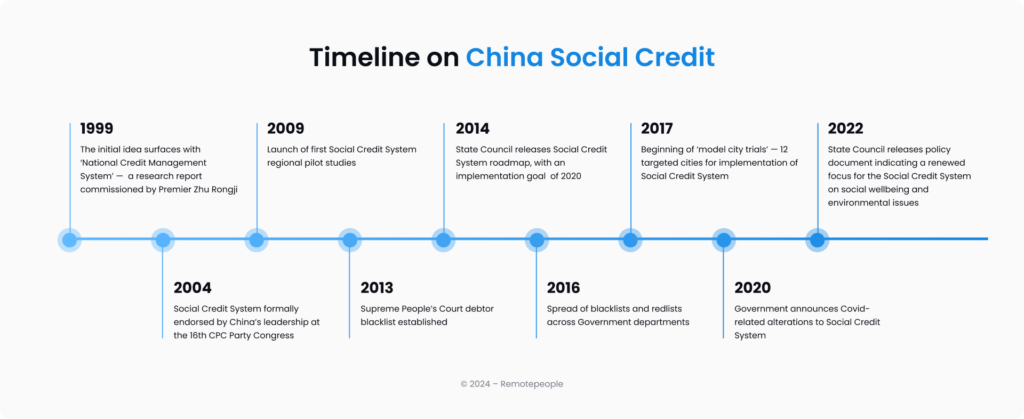
China is the only country to have formally established an SCS, but it is not the only country to have implemented one. The purpose of social credit is to reward or punish citizen behaviour, not through the courts or any legal process, but through the enhanced or restricted access to both public and private services. Operation Choke Point in the US saw the Department of Justice collaborate with private banks to cut-off access to finance for entirely legal small to medium size businesses deemed to present a “reputational risk.” Similarly, in Canada, the government worked with private banks, and insurers to shut down the small businesses of lawful and legitimate protestors. These are just a couple of the many clear examples of SCS operating in the West.
China’s SCS was formally established in 2014. It is a sprawling and often confusing slew of government directives and regulations that each provincial authority has to decipher and apply as best as it can. The overarching objective is to establish a measure of “societal creditworthiness.” This does not just mean “credit” in the financial sense. It relates to the degree of “trustworthiness” the state credits to its own departments and local administrations, to businesses and to individuals.
China’s SCS refers to “entities,” meaning both public and private organisations, including businesses. Much of the SCS is focused upon cleaning up public sector corruption, eliminating the “untrustworthiness” of those entities in order to promote a “harmonious” society.
It also focuses on the “untrustworthiness” of individuals. An SCS objective is to “put untrustworthy individuals on a credit blacklist.” Another is to develop online systems to evaluate individual’s online social credit “trustworthiness” and, for instance, to punish those who engage in online “rumour-mongering;” it talks about systems to assess the “individual character” of citizens and the enforcement of “citizen morality.”
In China, a “natural person” is a legal construct that means a human being or citizen. In its 2025 announced improvements to its SCS, the Chinese government encouraged regional authorities to promote “the credit construction of natural persons” and to establish “sound credit records of natural persons.”
Looking at the development of the smart-city in Shenzhen, and the risks of pooling “big data,” researchers from the Berlin Institute of Chinese Studies found:
[T]he digital systems in Shenzhen entail a creeping centralisation of data that potentially turns lower administrative government units into mere users of the city-level smart platforms rather than being in control of their own data resources. Smart city development and big data ambitions thereby imply shifting stakeholder relations at the local level and also pull non-governmental stakeholders, such as information technology companies and research institutions, closer to new data flows and smart governance systems.
In a world shaped by stakeholder capitalism, “smart governance systems” are invariably controlled by the private sector. Local governments become the “mere users” of the “City Brains” overseen by multinational corporations. The evident objective is to link the behavioural control afforded by smart-city technology to SCS.
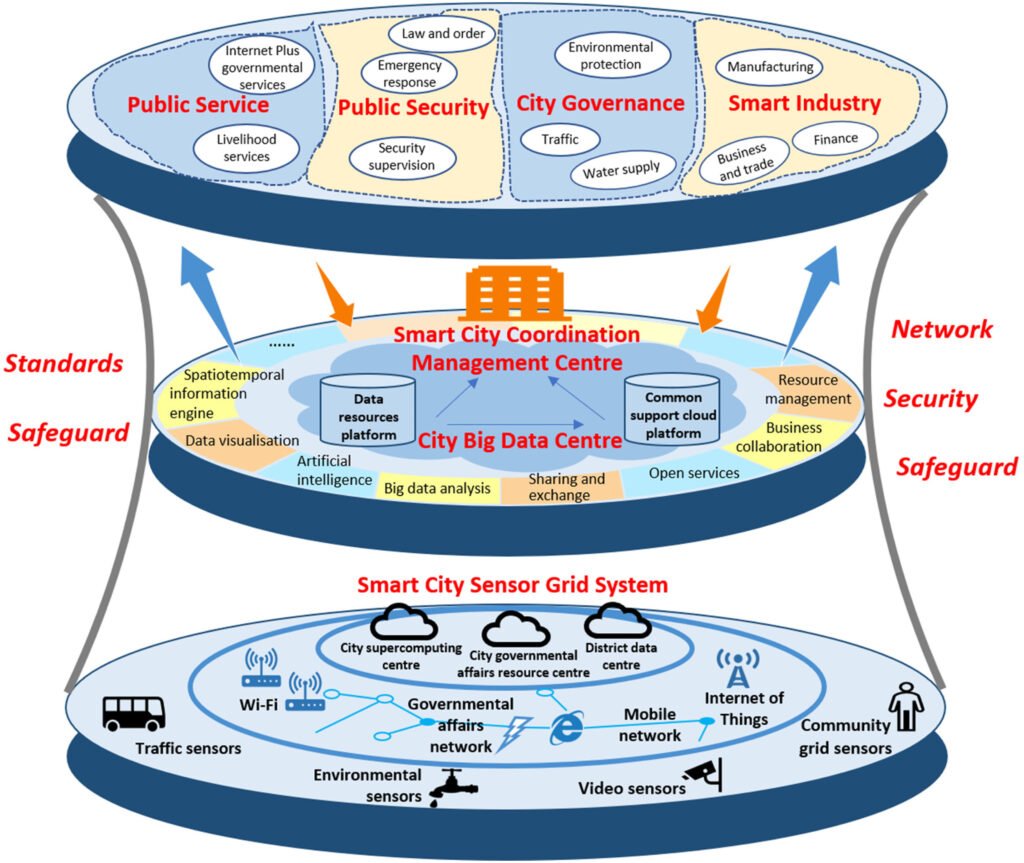
As pointed out by MIT Technology Review in 2022, there is currently no crushing, universal social credit score in China that enables totalitarian control:
There’s no evidence yet that this system has been abused for widespread social control (though it remains possible that it could be wielded to hurt individual rights).
Indeed, smart-city technology combined with SCS certainly could be wielded to socially engineer populations. The push towards smart-city developments capable of applying SCS “rules” are by no means restricted to China. It is a global governance policy agenda and the rollout of the necessary digital infrastructure is worldwide. Though most of us are yet to experience the looming overt systematic oppression, it is extremely unwise to ignore that fact that the likely digital panopticon is being erected around us.
If we accept the ongoing transformation of the places we live into smart-cities and smart-suburbs, it is the “trust” we will have placed in our rulers, whoever they may be, that is the salient issue. We will have no choice but to trust that the digital control systems we will live in are purely for our benefit. We will have to trust that the enforcement of the SCS rules will be equitable. There is currently no reason to think that will be the case.
The potential urban future that the oligarchs driving this agenda have in mind is aligned with the ambitions of the NRx technocrats. It appears that our planned smart city-state future is an envisioned tyranny.
Intergovernmental Gov-corp Technates
The global proliferation of SEZs provides plenty of enticing investment opportunities for NRx technocrats and other oligarchs (See Part 1). SEZs, however, are just one avenue for the potential location of gov-corp Technates. The global transition toward urbanization offers many more.
Ironically, the United Nations (UN) both reports on the rampant criminality common to many SEZ developments but also advocates the rapid and significant expansion of SEZs. As noted in Part 1, there is currently little or no evidence that SEZs deliver socioeconomic growth. There is considerable evidence that they seize national territory and transform it into effective private jurisdictions.
Yet, in 2022, the UN established the Global Alliance of Special Economic Zones (GASEZ) to increase the SEZ global footprint. GASEZ claims:
Special economic zones (SEZs) can make important contributions to economic growth and sustainable development. Zones can help attract investment, create jobs, boost exports, and build productive capacity. [. . .] Collectively SEZs can be more effective in modernization and policy advocacy, and bring on board stakeholders, including governments, the private sector and international organizations.
Again, there is virtually no evidence to support GASEZ’ assertions about economic growth. The reason the UN is enthusiastic about SEZ hybrid zone/city developments is that the UN considers them a more effective route for its global “policy advocacy.”
Launching GASEZ in 2022, the UN announced:
UNCTAD [United Nations Conference on Trade and Development ] joined hands with seven global, regional and national associations representing over 7,000 special economic zones (SEZs) to launch a global alliance. [. . .] They [SEZs] go by many different names, including free-trade zones and industrial parks, and are widely used by developed and developing economies. The Global Alliance of Special Economic Zones (GASEZ) seeks to drive the modernization of these zones across the world and maximize their contribution to the UN Sustainable Development Goals (SDGs). [. . .] A new model of sustainable special economic zones is therefore rapidly taking shape and they are contributing to more inclusive, resilient and sustainable economies in the countries where they operate.
The UN calls the towns and cities we live in “human settlements.” Charter Cities, SEZs with residential capacity, hybrid zone/city developments, resilient cities, 15-minute cities, etc., are all “human settlements” as far as the UN is concerned. Furthermore, all such urban renewal consistently embraces smart-city technology.
In 1977, the UN created the United Nations Human Settlements Programme (UN-Habitat) in order to promote “socially and environmentally sustainable towns and cities.” UN-Habitat states:
UN-Habitat is the focal point for all urbanization and human settlement matters within the UN system. [. . .] UN-Habitat collaborates with governments, intergovernmental, UN agencies, civil society organizations, foundations, academic institutions and the private sector to achieve enduring results in addressing the challenges of urbanization.
Urbanization is the process of the population shift from rural to urban living environments, or human settlements in the vernacular of the UN. UN-Habitat has wholeheartedly adopted the public-private partnership, or stakeholder capitalist, model of development to address “the challenges of urbanization.”
In 2018, the UN Department of Economic and Social Affairs (UN DESA) reported the findings of its research into World Urbanization Prospects:
Today, 55% of the world’s population lives in urban areas, a proportion that is expected to increase to 68% by 2050. Projections show that urbanization [. . .] combined with the overall growth of the world’s population could add another 2.5 billion people to urban areas by 2050, with close to 90% of this increase taking place in Asia and Africa. [. . .] By 2030, the world is projected to have 43 megacities with more than 10 million inhabitants, most of them in developing regions [. . .] many of them located in Asia and Africa. [. . .] As the world continues to urbanize, sustainable development depends increasingly on the successful management of urban growth, especially in low-income and lower-middle-income countries where the pace of urbanization is projected to be the fastest.
With this urbanization prospectus in mind, and with a particular focus on managing urban development in the “Global South”—an umbrella term for developing nations wherever they are located—UN-Habitat released its Strategic Plan 2020-2023:
UN-Habitat, in its role as a focal point, will call upon all development actors and stakeholders, [. . .] to work in concert to assist it in implementing its Strategic Plan. [. . .] An important effort is required to rethink engagement with the private sector to leverage investment in sustainable urbanization and to promote more appropriate models of development.
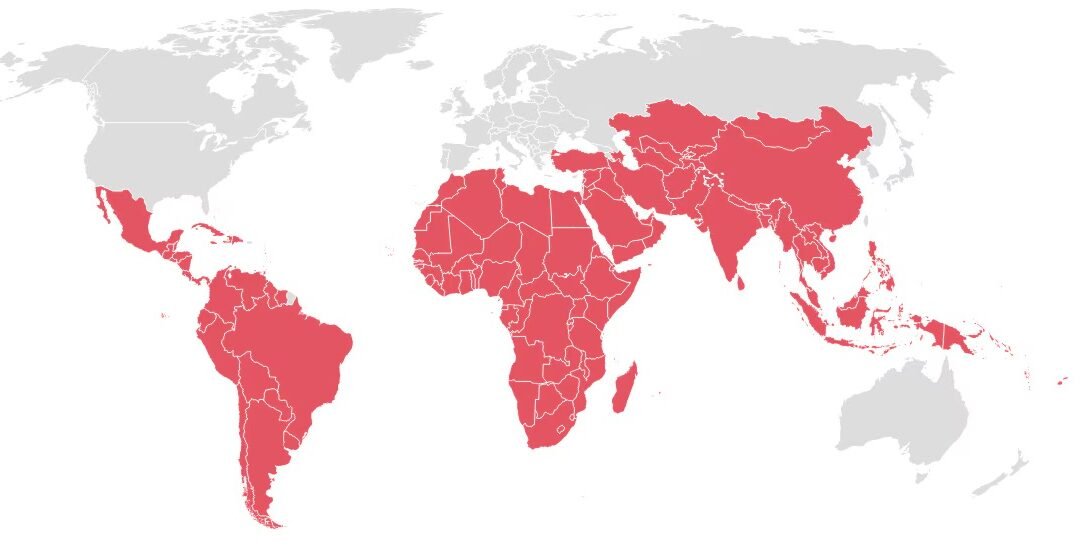
The UN is eager to liberate private finance in order to construct human smart-megacity settlements, especially in the emerging and developing markets of the Global South, that meet UN sustainable urbanization targets. Sustainable Development Goal 11—SDG 11—defines the global public-private partnership’s city development agenda.
The UN calls this its “New Urban Agenda.” The New Urban Agenda emphasises the importance of building “smart-cities” to meet SDGs:
The New Urban Agenda calls for technology and communication networks to be strengthened and for smart-city approaches that use digitalization, clean energy and technologies. [. . .] Innovative funding opportunities and partnerships need to be explored and the capacity of local governments to effectively procure, test and implement frontier technologies needs to be significantly strengthened. [. . .] To contribute effectively to urban sustainability, frontier technologies and innovations need to be applied.
The “smart-city” is constructed by deploying so-called “frontier technologies” within its infrastructure. A smart-city could be built from scratch or developed in an existing city or conurbation. The UN explains what smart-city frontier technology it considers essential for urban sustainability:
[Frontier technologies] currently include, among others, the Internet of things, sensor networks, machine-to-machine communication, robotics, artificial intelligence, virtual and augmented reality, 3D printing, geographic information systems (GIS), remote sensing, autonomous unmanned vehicles, drones, blockchain, cryptographic computing, and big data processing and visualization.
The UN’s “frontier technologies” are, of course, exactly the kind of technologies that the NRx technocrats allege to be the technological solution to everything (see Part 1). Gov-corp Technates are practically indistinguishable from the hybrid zone/city developments envisaged by the UN’s New Urban Agenda.
The downside, from humanity’s perspective, is that at both the global intergovernmental level and at the global multinational corporate-network level, there is a firm commitment to install the biometric digital surveillance state that threatens to enslave us all. Though the UN calls this “sustainable development.”
The Global Governance Patchwork
Not only is the UN amenable to the NRx technocrat’s digital panopticon plans, it also favours their “patchwork of realms” idea. The UN considers the future of global governance to lay in centralised global authority exerted over a transnational network of city-states. Or, as UN-Habitat puts it, “connectivity across urban networks, between cities and their surroundings [. . .] must be strengthened. That requires a country-wide – and sometimes cross-border – approach to development.”
The UN’s global governance model has been moving in this direction or a while. In 2005, then London Mayor Ken Livingston convened the C20 city network, inviting mayors from another eighteen cities to work collectively to reduce so-called climate pollution (CO2 emissions). In 2006, the addition of 22 city mayors created the C40 cities network.
The C40 cities network is financed by, among others, the Children’s Investment Fund Foundation (CIFF) which is heavily backed by the Gates Foundation. The aim of CIFF is to improve the lives of children living in the Global South by “lobbying” their governments to create regulatory “enabling environments” to stimulate national carbon trading in the global Emissions Trading Scheme (ETF) markets.
Another prominent C40 funder is Bloomberg Philanthropies, led by oligarch and former New York City mayor, Michael Bloomberg. Always driven by a commitment to UN global governance policies, in 2011, C40 formalised its relationship with the UN by agreeing on a climate action partnership with the World Bank—a specialized agency of the UN. Such UN partnerships are in keeping with UN ambitions to cultivate its global governance through an international network of city-states.
In 2013, American political theorist Benjamin R. Barber (1939 – 2017) published If Mayors Ruled the World: Dysfunctional Nations, Rising Cities. Barber contended that city administrations were more closely connected to their populations and thus more democratically representative than nation-states. He argued that city administrations, in countries around the world, had more in common with each other than they had with their own national governments. Unencumbered by political divisions and national rivalries, he posited that cities were better “building blocks of global governance.”
Advocating a global network of cities, Barber wrote:
If democracy is to survive globalization, imagining a global democratic order with the city at its core may be crucial. Envision not states but cities as building blocks for global governance. [. . .] Global governance in which the city predominates is the aim.
Evidently enthused by Barber’s vision, Michael Bloomberg announced he was stepping down as Mayor of New York and set up the first CityLab summit in 2013. Mayors from cities around the world were invited to network and collaborate in order to “exchange ideas and tackle some of the most urgent issues affecting cities around the world.”
In 2014, a month after officially leaving office in New York, Bloomberg was appointed as the UN’s first Special Envoy for Cities and Climate Change. Thus strengthening the link between urban development and the implementation of the global governance agenda.
UN Secretary General Ban Ki-moon said the objective of creating the post for Bloomberg was for the UN to consult “with mayors and related key stakeholders” in order to “mobilize action among cities as part of [the UN’s] long-term strategy.” Already the president of the board of the C40 cities network, Bloomberg soon established the Compact of Mayors committing city leaders to implement UN SDGs.
In 2016, the UN’s Global Compact of Mayors joined with the similar European Union’s (EU’s) Covenant of Mayors to become the Global Covenant of Mayors for Climate and Energy (GCoM). Currently acting as the UN Secretary-General’s Special Envoy on Climate Ambition and Solutions, Michael Bloomberg is the current co-chair of the GCoM.
The GCoM established the INVEST4CITIES initiative to generate “massive and targeted investment” to construct smart-cities. The private sector investment opportunity is set to provide “$23 trillion in investment potential” by 2030. The public sector’s (local government’s) role is to create “the enabling environments that support local investment.” The GCoM plan is that “large-scale financing instruments” will fund “local implementation” of frontier technologies to construct global governance (SDG) compliant smart-cities.
In the same year (2016) that the GCoM was signed by an international network of mayors, Bloomberg created the Global Parliament of Mayors (GPM) to give the civic leaders formal global governance roles. The GPM was first mooted in 2013 by Bloomberg CityLab based on Benjamin Barber’s “idea of a global governance platform for cities.” Barber was personally involved in the formation of the GPM and, when he died in 2017, the GPM created the annual Benjamin Barber Award, given to the most global governance compliant mayor of the year.
The purpose of the GPM is to attack the supposed political sovereignty of national governments and reimagine international relations. The GPM champions “the city’s right to self-government” and promotes “collective city decision-making across national borders.” The GPM is “actively engaged in decision-making by international organisations.” The GPM is the UN’s expression of Barber’s vision of “global governance in which the city predominates.”
In 2017, adopting the NRx technocrats’ accelerationism, the C40 network started implementing a number of “High-Impact Accelerators.” The C40 accelerators form one of the “project pipelines” that contributes toward the GCoM’s INVEST4CITIES strategy.
The GCoM aims to “accelerate city and local government access to financial resources” by “removing barriers to investor-oriented climate action plans and projects, and unlocking large-scale financing instruments to boost urban action implementation.” As you can imagine, with $23 trillion of investment opportunities in sight, the envisaged ROI is not only mouthwatering, if the planned city-state is a startup project it also promises oligarchs possible city ownership rights (see Part 1).
The UN Economic Commission for Europe (UNECE) convened the Day of Cities in 2019. Mayors from across, what the UN called, “the region”—meaning Europe—met to discuss “how to create smart sustainable cities.” This resulted in the 2020 Geneva Declaration of Mayors. In response to multiple alleged global crises—the pseudopandemic, the climate crisis, natural disasters, etc.—the UNECE mayors noted how the global policy response to the pseudopandemic could be adopted as a model for urban development:
[C]ities were in lockdown – and many industries, transport networks and businesses closed – we [. . .] started to experience an unknown urban life: better air quality, the return of nature to our cities, and empty streets giving space to cyclists and pedestrians. [. . .] The pandemic provided a testing ground for what cities could look like; the transformation of urban spaces happened overnight. If there is only one lesson to learn from this crisis, it is that rapid change of our urban reality is possible [and] behaviour patterns can be adapted. [. . .] Sustainable Development Goal (SDG) 11 calls for action to work towards [. . .] resilient and sustainable cities – it is now in our hands to place the SDGs at the centre of our recovery efforts and create new urban realities.
Today, boasting “over 13,500 cities and local governments” from “6 continents and 147 countries” the GCoM alleges that it represents “more than 1.2 billion people.” It is, however, hard to see how GCoM “represents” anyone other than its public-private “stakeholders.” One wonders how many people who elect their local and city “representatives” in these GCoM coordinated cities and suburbs are told that they are consenting to global governance and the transformation of their communities into smart-city gov-corp Technates.
Empty streets, no cars, drone ports, driverless AI controlled public transport, protein labs growing artificial food substitutes, augmented reality, insect-based snacks, and new religious identities are part of what leading oligarch-led think tank Chatham House (The Royal Institute of International Affairs) predicted in 2021 with its notion of our Futurescape. Whether this is the future city-life any of us want is irrelevant. At every level, NRx technocrats and their fellow oligarchs view such “urbanization” as the pathway to establishing effective global governance.
That the UN considers societal lockdowns as an exemplar of what it calls a “better urban life” betrays the oligarchs’ true intentions.

The Global Governance of Smart-Cities
The United Nations (UN) declares that it is responsible for global governance. The UN also says that “governance” means: “the process of decision-making and the process by which decisions are implemented.” Therefore, the UN asserts that it is the body which makes and implements decisions—which manifest as government policy—for the world.
UN-Habitat—the UN’s “focal point for all urbanization and human settlement matters”—with its New Urban Agenda to transform the urban environment into a global network of smart-cities, extols stakeholder capitalism and is keen to use the associated public-private partnership model. In 2022, UN-Habitat and the World Economic Forum (WEF) created the The Global Partnership for Local Investment (GPLI). The GPLI immediately set up the G20 Global smart-cities Alliance and clarified its public-private purpose:
Public-private collaborations reflect a form of indirect management in public administration, where [. . .] public, private or non-profit partners make decisions jointly. [. . .] Public-private collaborations can repurpose city assets for the deployment of digital infrastructure. [. . .] Physical assets, such as rooftops, utility poles, street lights, traffic lights, ducts and more, can become smart assets and be used to drive efficiencies and new services. Public spaces and airspace can take on new value as technology, such as drones, enabl[e] [sic] new use cases.
UN-Habitat and the WEF highlight the private sector investment opportunity for those with the wealth to capitalise on them—oligarchs:
[S]mart-city services can generate new revenue streams and revenue savings to be shared between partners.
The Futurescape imagined by Chatham House is under construction with the support of the United Nations and the “leading” multinational corporations aligned under the WEF umbrella. It is also a project shared by the BRICS+ group of nations and their corporate partners.
The BRICS have established the General Assembly of Cities and Municipalities which will focus on “inter-municipal cooperation” rather than international cooperation. Following the 2025 BRICS summit in Brazil, the BRICS group issued a joint statement:
One of the key topics shaping the future of the BRICS is the development of smart-cities supported by emerging technologies, particularly artificial intelligence (AI). [. . .] With the recent expansion of the BRICS to include countries such as Saudi Arabia, Egypt, the United Arab Emirates, Ethiopia, and Iran, the bloc is establishing itself as a leading platform for Global South cooperation [. . .] particularly in the realm of sustainable urbanization driven by technologies such as AI. [. . .] Artificial intelligence is increasingly being adopted in major BRICS cities, notably impacting urban planning, public service management, and civic engagement. China is at the forefront of developing AI-powered smart-cities, particularly in Shanghai and Shenzhen.
The BRICS+ group emphasises the importance of the BRICS New Development Bank (NDB) to “finance sustainable infrastructure” and “increase lending for AI-driven public service projects.” The group observes that “South-South cooperation through the BRICS creates active dialogue.”
The UN considers cooperation in the “South-South”—referring to partnerships between Southern hemisphere countries—“a key development modality to accelerate progress towards achieving the 2030 Agenda for Sustainable Development.” The UN Office for South-South Cooperation (UNOSSC) collaborates strategically with the Islamic Development Bank (IsDB). In turn, the IsDB has a close working partnership with the NDB. Both the IsDB and the NDB have joined seven other “Multilateral Development Banks” (MDBs) to form a global collaborative partnership coordinated by the UN’s World Bank Group:
A much scaled up global effort is thus required to [. . .] tackle transboundary [meaning cross-national border] challenges. [. . .] We [Heads of MDBs] will deepen our collaboration around joint innovative mechanisms for boosting private capital mobilization, both domestically and globally. [. . .] We recognize the need to explore further avenues for strengthening mobilization of private capital.
Regardless of where you live on the Earth, your government’s commitment to creating a global network of smart hybrid zone/cities financed by “private capital” is unshakable because your government is following a global policy agenda it did not create and cannot change.
In Vietnam, for example, the commitment to constructing smart-cities is significant. Vietnam’s state media, The Voice of Vietnam (VoV), reports:
Vietnam is undergoing a sweeping transformation with a clear goal: to build smart-cities that serve the people. The effort is based on national strategies like the Sustainable smart-city Development Plan 2018-2025 with a vision to 2030, the National Digital Transformation Program until 2025 with a vision to 2030, the E-Government Development Strategy toward a Digital Government, and Project 06 on population data and digital identity.
The VoV states that residents in smart-cities can “report issues directly to authorities, who respond and take corrective action.” Vietnamese digital smart-city citizens can raise concerns relating to “public security[,] environmental management, healthcare, [. . .] education,” and more via their installed smart-city app. The VoV enthusiastically notes that centrally located AI monitored Intelligent Operations Centers (IOCs)—Urban or City Brains—linked to peoples’ devices and their Vietnam Electronic Identification (VNeID), issued by Vietnam’s Ministry of Public Security (MPS), effectively turn the Vietnamese smart-city citizens’ “smartphones into ‘microphones.’”
The VoV adds:
Citizens must also play their part: verifying VNeID at level 2, uploading personal documents to their digital accounts, using the national portal [. . .] for public services, downloading their local smart-city app, and using cashless payments wherever possible. Every tap on a screen lays another brick in building Vietnam’s vision of modern, intelligent, liveable cities for the future.
The state taking almost unimaginable control of every “citizen’s” life is part of Vietnam’s digital transformation plan—Project 06. The Vietnamese government has already started the process of freezing up to 86 million of Vietnam’s estimated 200 million banks accounts unless they are “verified” using state approved digital ID (biometric authentication or VNeID). So clearly, every citizen “must” comply and the digital transformation, despite all the fluffy rhetoric about inclusion, is avowedly exclusionary.
Project 06 is led by the State Bank of Vietnam (SBV) working closely with the Ministry of Public Security (MPS). A major part of the role of the MPS is to ensure social order and to collect, analyse and evaluate information with a view to “prevent, detect and defeat any plots and acts of violation against national security and eliminate any threats to national security,” to protect the “Party” and the “State,” and to “implement international commitments and obligations.”
The digital surveillance plan has been promoted by Prime Minister Pham Minh Chinh and other government officials, but the Project 06 policy initiative did not originate with the Vietnamese government. With its stated “vision to 2030,” Project 06 is firmly rooted in the United Nations’ (UN’s) global governance agenda.
The Vietnamese Ministry of Planning and Development noted that the country’s digital transformation will contribute to the reduction of (CO2) emissions, though it is obviously designed to enable state surveillance of the population. Speaking in January this year, UN Under-Secretary-General Amandeep Singh Gill said he was impressed with Vietnam’s public-private partnership (multistakeholder) approach to “harness digital technologies for inclusive, sustainable development.”
He added:
I saw with my own eyes how Viet Nam is pushing forward strongly and proactively in the areas of digital transformation and AI. [. . .] [F]rameworks are needed to ensure that everyone benefits from the technical advancement, and that no one is left behind. [. . .] The Global Digital Compact offers such a framework at the global level, and Viet Nam’s willingness to play an active role in key areas of the [sic] is welcomed and appreciated by the United Nations.
The Global Digital Compact, adopted without a vote in September 2024 by UN member states as an annex to the UN’s Pact for the Future, is the UN’s “global framework” to facilitate “multi-stakeholder action” to enable “the attainment of the Sustainable Development Goals.” The UN defined “digital public goods” as software, data, AI models, and all content published online. Further, it decided that “digital public infrastructure” essentially meant all hardware and the physical infrastructure for all digital communication systems.
The UN said that it considered “digital public goods and digital public infrastructure to be key drivers of inclusive digital transformation and innovation.” It added that “[g]overnments, the private sector, civil society, technical and academic communities and international and regional organizations” should work together to to “leverage digital public goods and digital public infrastructure to advance solutions for the Sustainable Development Goals.”
In other words, the UN decided that the internet and digital technology, in its entirety, should be leveraged to deliver the UN’s global governance policy agendas. The UN invited the “private sector and philanthropic actors [oligarchs]” to finance the digital transformation.
Populations might not want to go along with the digital transformation of their world, nor the degree of public-private state surveillance foisted upon them. Perhaps anticipating some pushback, the UN decided that anything that questioned its transformative global governance agenda constituted a “form of violence” it calls “misinformation and disinformation”:
We must urgently counter and address all forms of violence, including [. . .] all forms of hate speech and discrimination, misinformation and disinformation. [. . .] We commit to, by 2030, [. . .] assess the impact of misinformation and disinformation on the achievement of the Sustainable Development Goals. [. . .] We further urgently [. . .] [c]all on social media platforms to provide researchers access to data [. . .] to build an evidence base on how to address misinformation and disinformation and hate speech that can inform government and industry policies, standards and best practices
The idea that governments and private corporations should form “policies” to address “misinformation and disinformation” might sound reasonable at first, but that all depends upon who decides what constitutes misinformation and disinformation. The UN is clear that misinformation and disinformation incudes information that undermines its policies related to “public health and climate action.”
Questioning the global digital transformation that is designed to “advance solutions for the Sustainable Development Goals” threatens “climate action” and is therefore disinformation that governments and private corporations should “counter and address.” Governments around the world are implementing laws and regulations to seize control of the information we can share with that goal in mind.
Of course, this could not be more anti-democratic, but governments serve as functional oligarchies not democracies. None of the governments that have passed or intend to pass online censorship laws are the instigators of these policies or legislative moves. They emanate from the global governance of the UN and its agencies where real Orbital Authority is exercised.
Real Orbital Authority
In Part 1, we discussed NRx technocrat Curtis Yarvin’s metaphorical exploration of global government that he termed “Orbital Authority.” The global transformation of our urban environments is already being propelled by such authority.
It is an oligarch-led public-private, or multistakeholder, global governance authority. Oligarch-backed policy think tanks, such as Bloomberg’s CityLab, and the state-funded public-private partnership think tanks, like the China Academy of Information and Communications Technology (CAICT), form the policy and design the corresponding implementation initiatives.
The CAICT calls itself “a specialized think-tank for the government and an innovation and development platform for the industry.” The CAICT acts as an “enabler for innovation and development in an information society.” It is a public-private partnership that “plays an important role in strategy and policy” with respect to the digital transformation in China.
Chinese state media recently reported China’s official launch of its plan to provide “processing resources across China,” to link City Brains and other smart-city elements together in a “mega computing project” that will create regional data hubs. From the reports, you would imagine that the CPC was leading the rollout. That impression is misleading. It was the CAICT that proposed the concept of the “National Integrated Computing Power and Network Scheduling Platform” that has given rise to the reportedly state-led mega computing project.
The CAICT is also a UN partner with an agreement in place to implement the “digital transformation aligned with the Sustainable Development Goals” across Africa. African governments are not designing “Africa’s digital future” any more than China’s government is heading the “digital transformation” in China. The transformation is a global governance agenda, far beyond the influence of any electorate or population, and national governments’ role is merely to create the enabling environment (see Part 1) to establish the resultant global governance.
The UN fully backs and promotes this worldwide digital transformation. In addition, the UN has already established global governance structures “in which the city predominates.” This unwavering transformation of the global polity and societal norms is precisely what the NRx technocrats want and are committed to achieving. The Orbital Authority that Curtis Yarvin deems necessary for “thousands of independent sovereign states and city-states” to “flourish” is being constructed by the UN and its multinational corporate “stakeholders.”
The UN is predominantly an oligarch-led project. In 2014, professor of international history Ludovic Tournès, writing for The Journal of Modern European History, highlighted the significant influence of the Rockefellers in establishing the United Nations. In the late 1950s, the Rockefeller-funded Special Studies Project began publishing its findings, culminating in the 1961 publication of the full report titled “Prospect for America: The Rockefeller Panel Reports.”
Seeking to strengthen UN global governance, The Rockefeller Study Project recommended dividing the world “into smaller units” that would “consist of regional institutions under an international body of growing authority [the UN]” (page 26). The researchers ultimately recommended:
The most natural multination arrangements are frequently regional. [. . .] We believe that this regional approach has world-wide validity. [. . .] What is needed immediately is a determination to move in the direction they imply. Regional arrangements are no longer a matter of choice. They are imposed by the requirements of technology, science, and economics. Our course is to contribute to this process by constructive action [pages 188–190].
The idea of a global governance system, based upon a regional balance of power, had been pursued by a trans-Atlantic oligarch network—of which the Rockefellers are leading members—since the early 20th century. As part of the process of “constructive action” to establish this new world order, in 1965 the Rockefellers convened an international conference at their Villa Serbelloni mansion in Bellagio, Italy. Today called the Bellagio Center, the 1965 meeting at the Villa set up the Club of Rome policy think tank which solidified as “a core group of like-minded thinkers” in 1968.
In September 1973, the Club of Rome proposed a global governance model that divided the world into ten regions. In their report, titled “Regionalized and Adaptive Model of the Global World System,” they described these global governance regions as “Kingdoms.”
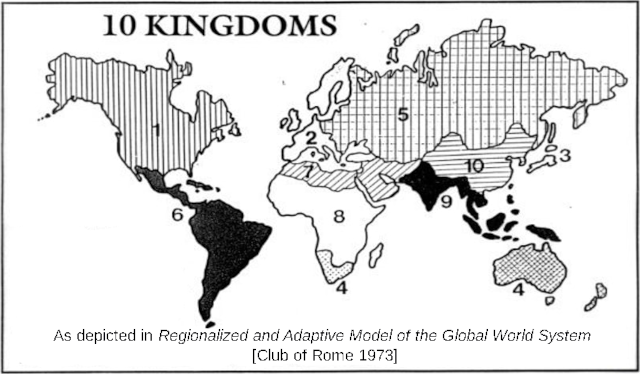
The same year, David Rockefeller co-founded the Trilateral Commission policy think tank with US political scientist and policy advisor Zbigniew Brzezinski. Unsurprisingly, the Trilateral Commission claims the authority to “affect [. . .] foreign policy and national security strategies,” across three global regions it calls pillars: North America, Europe, and Asia Pacific. The current model of regional Kingdoms—“pillars” or “poles”—is commonly referred to as multipolarity and the consequent Multipolar World Order (MWO) is said to be in prospect.
The Munich Security Conference (MSC) is the premier international public-private security policy conference where predominantly, but not exclusively, Western “decision-makers” meet annually to network and form international defence and security policy. The MSC 2025 report informs us that there is a “changing global distribution of power,” adding that a “multipolar world holds significant promise.” However, it also notes that the new multipolar global governance bureaucracy must not impede “joint approaches to global crises and threats.”
The MSC determined that “depolarization [. . .] could set multipolarity on a positive track,” where “depolarization” refers to the process of nations accepting their sociopolitical and perhaps cultural differences but aligning to their respective “poles” in order to address “global crises” through collective action. To explain its “depolarization” point, on behalf of the MSC “decision-makers” it represents, the MSC report referenced the 2023 comments of then German Chancellor Olaf Scholtz who said, in order to “keep multilateralism alive in a multipolar world,” it was essential to maintain “greater participation in, and integration into, the international order.” In other words, depolarization is multipolar decentralisation leading to greater centralisation within the global “order.”
This is the same decentralization to recentralization trick (see Part 1) favoured by the NRx technocrats. Depolarization is not transforming global governance by chance. Influential oligarch-led policy think tanks, such as the UK-based Chatham House and its sister organisation, the US Council on Foreign Relations (CFR), have been trying to create the depolarized regional balance of power global governance system for more than a century.
The Council on Foreign Relations is among the many Western oligarch-led think tanks to have consistently promoted multipolarity. In 2023, a team of CFR analysts expressed their opinion about what would constitute the perfect “pole” in a Multipolar World Order:
The EU [European Union] is a networked union that allows its members to act together in some ways and apart in others. The EU [. . .] has far more power over its members, which remain sovereign states, than any other regional entity. It is one of a kind. [. . .] The EU has developed a template that other regional organizations are following and customizing in various ways. [. . .] Foreign policy practitioners should hope these blocs succeed. Powerful regional unions are the necessary intermediaries between international or global institutions and state and local governments.
According to the CFR, the European Union (EU) presents us with the ideal “template” for a MWO pole. Speaking at the 2025 Munich Security Conference, H.E. Wang Yi, Director of the CPC’s Committee Foreign Affairs, stressed that “China has always seen in Europe an important pole in the multipolar world.” China is currently leading the push to create an Asian Union. The CPC and the CFR appear to be in agreement on the perfect “pole.”
Though nation-states supposedly remain “sovereign,” the EU-pole exerts “power over its members”—constituent governments. This CFR argument is self-contradictory nonsense. The governments of nation-states cannot possibly be both “sovereign” and, at the same time, subservient to the leadership of their “pole.” It is unconscionable to imagine that the CFR analysts don’t appreciate this point. What they offer is MWO propaganda.
The whole point of the regional “pole,” or “union,” is to act as a completely unnecessary “intermediar[y] between international or global institutions and [. . .] governments.” The CFR defines “international or global institutions” as the UN, its specialized agencies, and groups like the International Monetary Fund and the the G20 (Group of Twenty).
We have just discussed the G20 Global smart-city Alliance. It embraces stakeholder capitalism, where governments and their private sector partners “make decisions jointly [to] repurpose city assets for the deployment of digital infrastructure.” Given the UN commitment to global governance where “the city predominates,” the discernable nature of the real “Orbital Authority” is materializing.

Governments that are functional oligarchies (see Part 1) are being subsumed into regional poles within a Multipolar World Order that has been actively sought by generations of globalist oligarchs. The poles will empower public-private “international organisations”—dominated by private capital (oligarchs)—to set policy for the regional pole’s member state, thereby removing any meaningful expression of national sovereignty. Simultaneously, privately financed smart-city “zones” are being carved out of nation-states as global governance moves toward “collective city decision-making across national borders.”
Curtis Yarvin’s “Orbital Authority” was a metaphor, but there is nothing metaphorical about the deliberate, oligarch-led transformation of our world. What they are constructing mirrors the “patchwork” of network states—gov-corp Technates—proposed by the NRx technocrats. The aim is the digital enslavement of humanity to the asserted authority of private capital. Far from resisting this emerging tyranny, governments are willingly hastening the process because they are functional oligarchies.
Knowing the kind of feudalistic tyranny they portend, who would ever choose to live in a gov-corp Technate? Unfortunately, millions of the most vulnerable people on earth don’t have much choice regarding where they live and architects of the gov-corp Technates are targetting them to be among their first “customers.”
Orbital Authority Over Refugees
In 2025, the UN High Commission for Refugees (UNHCR) reported that refugee migration in 2024 was “driven by conflict, persecution, human rights violations, and instability.” Refugees fled man-made war zones, man-made economic destruction, and man-made persecution—overwhelmingly from countries in the co-called Global South—but there is no sign of people fleeing any climate crisis, anthropogenic or otherwise.
Of course, people have to escape natural disasters such as floods and forest fires. But there is no evidence of any upward trend in either the frequency or severity of weather related natural disasters. Again, all too often, we find that the lethal scale of, for example, catastrophic flooding, though undoubtedly caused by extreme weather events, is exacerbated by very poor planning decisions. Nevertheless, as the UNHCR reports, climate change is not a driver of mass migration.
Yet, the UN and its partners constantly refer to refugees as largely escaping the “climate crisis.” As there are no climate refugees, the core PR message to the contrary is designed to supposedly justify and facilitate the global governance agenda— the Sustainable Development Goals (SDGs). That there is no evidence of any climate crisis is irrelevant. Our collective belief in the propaganda is all that matters.
Back in 2018, shortly before the UN adopted the Global Compact on Migration, at the annual UN convened Mayoral Forum on Human Mobility, Migration and Development, civic leaders from eighty cities formed the UN’s Mayors Migration Council (MMC). The MMC is a sponsored project of Rockefeller Philanthropy Advisors that aims to make “a tangible difference in the lives of urban migrants, displaced people, and receiving communities worldwide.” It further proclaims that it “accelerates ambitious global action on migration and displacement to create a world where urban migrants, displaced people, and receiving communities can thrive.”
NRx technocrat accelerationism (see Part 1) is now enmeshed in all levels of global governance. Rockefeller Philanthropy Advisors openly declares that its “mission is to accelerate philanthropy in pursuit of a just world by providing deep global expertise.” It is easy to imagine that the ubiquitous use of the term “accelerate,” or variations thereof, is just a reflection of in vogue terminology, but it is omnipresent and we would be naive to overlook its ideological significance.
The UN outlines its purpose in its associated Global Compact:
Our Ambition is to: Accelerate and scale the global collective impact of business by [. . .] delivering the SDGs through accountable companies and ecosystems that enable change.
To this end, the UN adds:
The United Nations Global Compact is leading Accelerators to embed SDG-aligned practices deep into business operations and across the value chain to accelerate progress and impact for the 2030 Agenda. Available to participating companies of the UN Global Compact, the Accelerators are run in close collaboration with Global Compact Country Networks and are designed with a view to generating behavior change across a large number of companies at the local level – achieving maximum impact and scale.
The UN’s Global Compact is a supposedly “non-binding” policy agenda, first adopted by the United Nations in 2000. The Compact is not focused on intergovernmental cooperation and has virtually nothing to do with nation-states. The UN describes it as “the world’s largest corporate sustainability project.”
Agenda 21 is also a non-binding “plan of action” that, in 1992, laid the foundations for the global sustainable development. The Agenda 21 global policy agenda has shaped the lives of nearly everyone on earth in subsequent years. The UN coordinates policy globally and calling its policy agendas “non-binding” is meaningless if the public sector and the private sector rigidly adhere to them.
The UN is determined to create “global governance in which the city predominates.” Consequently, the MMC has been empowered by the UN to “influence policy decisions at the national and international level.” As NRx technocrat accelerationism pervades pretty much everything the UN does, the MMC says that it “accelerates global action on migration and displacement.”
The MMC has established task forces with other city-state networks, C40 for example, to manage the migration caused by the climate crisis, irrespective of the fact that the UN concedes there are no climate refugees. In addition, as far as the MMC is concerned, international relations based on Westphalian sovereignty is a “broken system” and it has therefore created the financial pathway for investors to directly fund city-state plans for refugees.
The MMC’s Global Cities Fund for Migrants and Refugees is set to transform the broken system by directly funding city-states. The Cities Fund offers international donors an investment “pipeline” to circumvent national governments and directly channel “international resources to city governments.” This is to enable “city governments and their local partners to implement projects of their own design.”
The focus of the investment is to support “city governments” to manage “their migrant and displaced communities.” The investment pipeline will create a “a marketplace of city-led solutions” and the reason for all of this is to ensure the UN’s “Global Compacts for Migration” is implemented.
The UN claims that its Global Compact on Migration (GCM) is grounded in the “values of state sovereignty.” As we have just discussed, there is scant evidence of that. Instead, the Global Compact seeks to apply a “common approach to international migration in all its dimensions.”
Those dimensions are encapsulated in the twenty-three GCM Objectives. The first Objective is to harvest as much data as possible from refugees and economic migrants. The third is to develop systems for the sharing of that data with stakeholders. This accompanies Objective 4, which seeks to force “all migrants [to] have proof of legal identity,” by which the UN means digital ID. At the city or “municipal” level, the UN wants to use migrants to implement digital ID as a means of exclusion:
Build upon existing practices at the local level that facilitate participation in community life, such as interaction with authorities and access to relevant services, through the issuance of registration cards to all persons living in a municipality, including migrants, that contain basic personal information.
That is to say, everyone’s “participation in community life” and everyone’s access to services will be contingent on you having a UN-approved, compatible digital ID.
As we have repeatedlydiscussed, the UN’s own research clearly shows that there is no climate crisis-related immigration. Objective 2 is focused upon “minimising the drivers” of migration flows but identifies virtually none but the alleged migration impacts of the so-called climate crisis.
Of the twelve clauses to Objective 2, just one briefly mentions “conflict” but only to the extent of “taking into consideration relevant recommendations from State-led consultative processes, such as the Guidelines to Protect Migrants in Countries Experiencing Conflict.” Despite knowing full well that people have to flee from war, persecution, and poverty, not climate change, the UN’s GCM, supposedly designed to assist the dispossessed and the most vulnerable refugees, has practically nothing to say about tackling any of the actual underlying causes of their plight.
Even objective 7, to “reduce vulnerabilities in migration,” says nothing about persecution, impoverishment, or conflict. Instead it insists upon providing refugees with “identification,” presumably because humanitarian assistance simply cannot be provided otherwise. Refugee children should be added to national identity systems and “stakeholders” should be fully engaged in the child’s identification process.
The unmistakable purpose of the UN’s GCM “Objectives” is to exploit immigration to cement the UN’s global governance agenda. This is starkly highlighted by “Objective 19: Create conditions for migrants and diasporas to fully contribute to sustainable development in all countries.”
The UN wants to “harness the benefits of migration as a source of sustainable development.” The main goal is to:
Ensure the full and effective implementation of the 2030 Agenda for Sustainable Development [. . .] by fostering and facilitating the positive effects of migration for the realization of all Sustainable Development Goals
The UN’s marked lack of any genuine concern for the predicament of refugees is bad enough but, when we then consider who it chooses as its “partners” to assist with its planned migration, the reality that dawns is stomach churning.
Refugee Gov-Corp Technates
Titus Gebel is the former Chairman of the Board of the Patri Friedman’s Seasteading Institute—a joint project between Peter Thiel and Friedman—and a partner at NeWay Capital. He is the founder of Tipolis Inc and a leading investor in and legal advisor to Próspera, having previously acted as a legal advisor for the Honduran government’s original ZEDE program (see Part 1).
In 2018, Gebel published Free Private Cities: Making Governments Compete For You. His book outlines how private corporations—i.e. Yarvin’s sovcorps—can provide “government as a service.” He suggested that customers should sign a contract in return for the governance they receive from their sovcorp. Governance providers, in various city-states, would compete for customers (citizens) who would be free to leave, subject to contract, if they didn’t like the private government service on offer in their zone (gov-corp Technate).
It seems Gebel essentially plagiarised the NRx technocrat’s ideas, first put forward by Curtis Yarvin and Nick Land about a decade before Gebel took credit for his supposedly “completely new” gov-corp Technate model. Clearly an NRx technocrat, Gebel established Tripolis Inc—in the tax haven of Singapore—in order to create new models of innovative governance. Via Tripolis Inc, Gebel, and his coterie of angel investor partners, hope to become the “owner[s] and operator[s]” of their own International Cities:
International Cities are privately run communities, based on clear contracts, which provide, enable and facilitate opportunity and choice. International Cities will be established at multiple locations around the world. [. . .] International Cities build on the concept of Special Administrative Regions (SARs) and are the next evolution of Special Economic Zones (SEZs). [. . .] International Cities will be thriving hubs of business and innovation.
Special Administrative Regions (SARs) were formulated by the Chinese government under Deng Xiaoping as part of its “one country, two systems” policy. Hong Kong, Macau and Taiwan were legally designated SARs by the Chinese government in the early 1980s. The intention was to provide regulatory autonomy to hopefully reunified territories, though Taiwan has yet to commit to reunification. That Gebel considers the larger SARs as “the next evolution” of SEZs speaks to the territorial ambitions of those pursuing the city-state agenda.
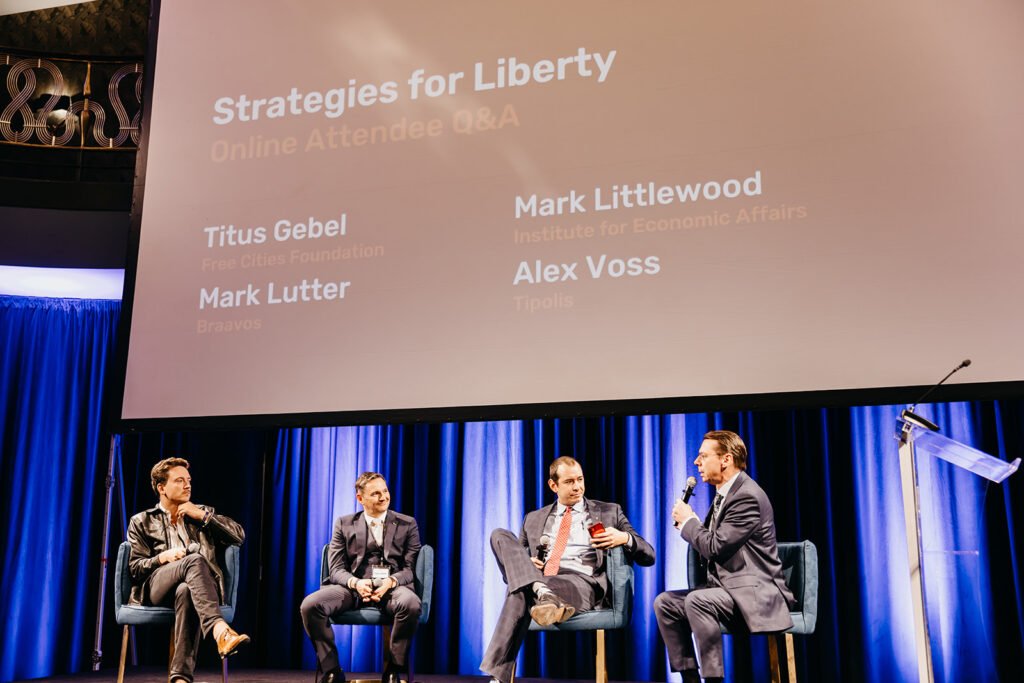
Gebel is also an advisor to the Swiss-based Andan Foundation led by its founder Dr Christian H. Kälin (or Kaelin). The Andan Foundations explains its purpose:
Andan leads private sector initiatives to support families fleeing their homes due to war, internal conflict, and climate change. It identifies and develops innovative, sustainable solutions. [. . .] Andan prioritizes projects that expand economic, financial, and political opportunities for both refugee populations and the communities that welcome them. Andan facilitates and propels partnerships between the private sector and UN agencies, governments, NGOs, and academic institutions concerned with refugees and migrants.
Andan proposes a business that capitalises on the “opportunities” presented by refugees, asylum seekers and economic migrants. The Foundation adds that its “main, long-term project is the Andan Free Global City project—or “International City” as Gebel would call it—which it says has the potential to “completely upend and reform how we deal with the growing global refugee and migration crisis”:
Today, the world is spending billions of dollars each year in dead-end, protracted refugee management with camps and urban settings. [. . .] We aim at no less than completely turn around the way we look at refugees and migrants. [. . .] What we need is again a safe harbour, a new place where refugees and other migrants forced to leave their homes receive the opportunity to live. [. . .] We need free Global Cities – autonomous, self-governed subnational entities that provide a safe environment. [. . .] We are also actively engaged with several governments around the world, as well as with a few major investors who are prepared to finance the establishment of the first free Global City, which will also provide a decent return on capital from private investors.
Kälin, an advisor to the Swiss government among others, suggests reading a 2022 article by Albert Steck to really get a feel for what he, Gebel and other international NRx technocrats are proposing:
[Kälin] sees his Andan Global City not only as a humanitarian project, but also as a profitable business idea. [. . .] In Kälin’s city [refugees] would be motivated workers and founders of businesses. [. . .] [Kälin is] in talks with representatives of the U.N. and the World Economic Forum. [. . .] The biggest challenge is finding a country that will provide an uninhabited or sparsely populated territory for an autonomous city, he says. [. . .] Initially, several tens of thousands of people could live there – with the prospect that it might ultimately become a city of millions. Private financing is therefore crucial to the success of such a large project, says entrepreneur Titus Gebel. [. . .] Gebel, who was born in Germany, is also the founder of the Free Cities Foundation, which works to establish special economic zones in various countries, following the example of Shenzhen in China or the European free cities in the Middle Ages.
Like all NRx technocrat fronts, the Andan Foundation staunchly advocates digital ID and suggests that blockchain “has the potential to create new solutions for refugee and identification systems” and that digital ID, stored on a unified ledger, should be “directly accessible to refugees and immigrants.” Once the refugee’s digital twin is operational, the refugees can serve as “motivated workers” in the Free Global City—gov-corp Technate. Presumably, should they be insufficiently motivated, their access to money and food “could be frozen” and they could be “locked out of all doors” to essential services until they rediscover the correct motivation.
Christian Kälin is also the Chairman of Henley & Partners, a UK based consultancy that specialises in a lucrative venture which Kälin claims to have “pioneered.” Henley & Partners touts itself as “the world’s foremost experts in investment migration and citizenship-by-investment.”
Serving a clientele of “internationally mobile entrepreneurs and investors,” Henley & Partners (H&P) says that it helps “high-net-worth and ultra-high-net-worth individuals” to obtain “bespoke residence and citizenship by investment.” Essentially, Kälin and H&P advises “ultra-high-net-worth individuals”—including oligarchs—where to invest in order to buy residency visas and citizenship and then manages the application process for them.
The history of “citizenship-by-investment” (CBI) schemes is not very edifying. For example, Paolo Zampolli, President Trump’s global envoy for special partnerships, was evidently involved in a seemingly corrupt CBI scheme that sold Dominican Republic residency to Chinese billionaires, such as Ng Lap Seng, who were under investigation by the UN for bribing UN officials. John Ashe, the former president of the UN General Assembly, was also suspected of involvement but died in an extremely bizarre bar-bell “accident” shortly before he was due to testify in the case.

Kälin has been dubbed the “Passport King” for his pioneering efforts in the CBI field. However, according to US-based Organized Crime and Corruption Reporting Project (OCCRP), H&P has been involved in numerous corrupt CBI schemes. For instance, in the Caribbean nation of the Federation of Saint Kitts and Nevis between 2006 and 2013.
The St. Kitts and Nevis Sugar Industry Diversification Foundation (SIDF) was “set up in 2006 to move the island economy away from dependence on sugar.” The SIDF turned agricultural land into development land. The purchase of territory was funded by the government and H&P’s “high-net-worth” clients seeking residency in St. Kitts and Nevis, many of whom had criminal ties or were wanted in various jurisdictions.
Money from the SIDF fund was then directed to invest in companies that Kälin was closely associated with. H&P insisted there was no conflict of interest. The SIDF became inoperative around 2017 and, with important agricultural land lost and no sign of any return on the government’s SIDF investment, the OCCRP noted that the “ultimate losers were the people of St. Kitts and Nevis.”
Kälin was seemingly the financier behind the Strategic Communications Laboratories Group’s (SCL’s) 2010 re-election campaign for then St. Kitts and Nevis Prime Minister Denzil Douglas. In 2018, an interim UK parliamentary investigatory report issued by the powerful Digital, Media, Culture and Sports Committee (DMCSC) noted:
211. We were told, behind much of SCL Elections’ campaigning work was the hidden hand of Christian Kalin, Chairman of Henley and Partners, who arranged for investors to supply the funding to pay for campaigns, and then organised SCL to write their manifesto and oversee the whole campaign process. In exchange [. . .] Henley and Partners would gain exclusive passport rights for that country, under a citizenship-by-investment (CBI) programme.[. . .] Christian Kalin [has] been described as having a ‘Faustian pact’. With the exclusive passport rights came a government that would be conducive to Mr. Kalin and his clients.
The British defence contractor SCL is the parent company of the notorious Cambridge Analytica (CA)that was widely accused of manipulating the 2016 US presidential elections and the UK “BREXIT” referendum on leaving the European Union (EU). The CA operation also illegitimately acquired the data of millions of Facebook users. Hence, the UK parliamentary investigation.
CA, and thus SCL, is evidently connected to Peter Thiel’s Palantir. As CA’s suspected election manipulation, and what was tantamount to data theft, came under international scrutiny, Palantir disavowed that connection. But, when the New York Times revealed that one of its employees—Palantir business manager Alfredas Chmieliauskas—had worked with CA to form “behavioural profiles” of voting social media users, Palantir changed its statement and said Mr Chmieliauskas was not acting on Palantir’s behalf at the time, though he was a Palantir employee throughout the period.
H&P’s CBI schemes were not limited to the Caribbean. They have reportedly been found to be wholly corrupt in Cyprus, for instance. When, in 2017, Maltese investigative journalist Daphne Caruana Galizia started to expose H&B’s involvement in Malta’s corrupt Individual Investor Programme (IIP)—Malta’s CBI scheme—subsequent inquiry hearings revealed emails indicating that H&P instigated a Strategic Lawsuits against Public Participation (SLAPP) against her. It seems H&P intended to file the lawsuit in the UK because they wanted a “sympathetic judge.” Daphne Caruana Galizia, who was also instrumental in reporting the Panama Papers, was assassinated in a car bombing in Malta in October 2017.
More recently, the European Court of Justice (ECJ) has ruled the Maltese CBI scheme illegal. As an EU member state, a Maltese passport provided some questionable “ultra-high-income individuals” with EU citizenship. It is not without justification that the ECJ characterised CBI schemes, including those run by H&B, as making “the acquisition of nationality a mere commercial transaction.”
Kälin, who conceded that some H&B clients were “problem[s]” who fell through H&B’s claimed “due diligence” checks, was undeterred by the ECJ ruling. He was enthused by the global expansion of CBI schemes and, in particular, the Trump administration’s plan to issue permanent residency visas to anyone who can afford the $5 million price tag. If he wants to move to the US, Kälin could certainly afford a US “gold card.”
Fours years earlier, In 2021, numerous hedge funds faced potential ruin as a result of the GameStop short squeeze. When Reddit users noticed the mass shorting of stock in the the GameStop chain of high-street stores, they apparently spiked demand for the stock and pushed the price up by coordinating large-scale stock purchases. Thus leaving those with short positions—betting the stock price would fall—exposed to enormous losses. Through his company Arnova Capital, Christian Kälin consequently made a fortune on the GameStop stock his company held. He also accurately predicted, before any WHO announcement of a worldwide pandemic, that energy prices would soar during the pseudopandemic. Kälin’s 2000% ROI on his initial investment in Arnova Capital is truly remarkable.
The Andan Foundation, founded by Kälin and advised by Gebel, that seeks to profit from refugee migration by establishing Free Global Cities, is a “long-standing” partner of the United Nations. The goal of the partnership is to “propel and facilitate the private sector’s involvement,” in managing international refugee migration with a view to create “public and private initiatives that create long-term solutions for refugees.”
The appalling stench of neocolonialism exudes from every part of the UN’s global migration policy agenda. The oligarch-led UN public-private partnership is implementing a strategy that aims to exploit migrants and refugees to achieve UN objectives. There is no serious attempt to do anything to address the problems that cause mass migration. The migrant is simply a “human resource” to be identified, stamped and relocated into communities the world over in order to achieve UN policy targets.
The UN wants to construct a global network smart-city gov-corp Technates because that too will better facilitate the rollout of its global governance; it has formed partnerships with NRx technocrats who want to use the displaced as a workforce and who view refugee “residency” in their gov-corp Technates as a “profitable business idea;” the UN is supporting and encouraging the national governments to hand over territory to oligarch investors in preparation for its New Urban Agenda, and the UN wants all lives, including those of refugees and economic migrants, to be controlled by digital technology linked to the digital ID of their digital twin.
The networks, technological systems, and investment “pipelines” are in place to enable gov-corp Technate ultra-high-net-worth “founders” to buy citizenship, should they wish, and set up gov-corp Technates either by investing in SEZs or smart-city developments already underway. In 2024, the UNHCR estimated that there were 123.2 million displaced people seeking refuge. Clearly, NRx technocrats like Titus Gebel and Christian Kälin hope to provide said refuge for a profitable return.
Gov-corp Technates in the United States
In 2023, on the US election campaign trail, calling it a “quantum leap,” Donald Trump proposed initially constructing ten “Freedom Cities” in the US. As reported by Bloomberg:
The end game is audacious: High-tech company towns free from state law and most federal rules—including the Internal Revenue Code, major environmental laws like the Clean Water Act and the Endangered Species Act; worker protections like the Fair Labor Standards Act and the Occupational Health and Safety Act; and the Affordable Care Act.
There are currently around 300 SEZs in the US and the potential for expansion of the Freedom City concept in the US is already marked. The Freedom City idea, though it provides the same SEZ regulatory advantages to multinational corporations, stands apart somewhat from other SEZ initiatives. The Freedom Cities will be constructed on parcels of US territory sold-off directly to private investors.
Initially, the Trump administration tried to sell-off US territory to oligarchs through public land sale provisions included in Trump’s One Big Beautiful Bill. Due to public and political opposition, the public land sale clauses were removed prior to the Bill passing. The NRx technocrats behind the Trump administration are, however, determined. They are now trying to use Trump’s proposed Sovereign Wealth Fund (SWF) for the same purpose.
Inherent in the US SWF plan is the intention to liquidate—sell-off—US public land (territory) to raise capital. It remains to be seen if this line of attack will work where the Big Beautiful Bill assault failed. There is a powerful international network, led by US NRx technocrats, exploring every avenue to get the gov-corp Technates—Freedom Cities—built in the US.
Peter Thiel protégé, and an NRx technocrat in his own right, Sam Altman, stood close to Oracle’s Larry Ellison, SoftBank’s Masayoshi Son and President Trump when Trump announced his administration’s Stargate Project.
According to Altman’s OpenAI:
The Stargate Project is a new company which intends to invest $500 billion over the next four years building new AI infrastructure for OpenAI in the United States. [. . .] The initial equity funders in Stargate are SoftBank, OpenAI, Oracle, and MGX. SoftBank and OpenAI are the lead partners for Stargate, with SoftBank having financial responsibility and OpenAI having operational responsibility. Masayoshi Son will be the chairman. Arm, Microsoft, NVIDIA, Oracle, and OpenAI are the key initial technology partners. [. . .] All of us look forward to continuing to build and develop AI—and in particular AGI [artificial generative intelligence]—for the benefit of all of humanity. We believe that this new step is critical on the path, and will enable creative people to figure out how to use AI to elevate humanity.
“All of us” refers to the global NRx technocrat community of which Sam Altman, Larry Ellison, and Masayoshi Son (Masayoshi Yasumoto) are members. The intention to use AI to “elevate humanity” means to meld us with technology and turn is into programmable “technoplastic beings.”
Masayoshi Son is the head of the technology investment holding company SoftBank Group (SBG) which has capitalised handsomely on its investments in Chinese technology firms such as Alibaba. This is largely due to its control of the Chinese social media firm TikTok, ByteDance, the largest social media company in the world by revenue, is currently valued at around $330 billion. This makes SoftBank’s 4% stake in ByteDance worth roughly $13.2 billion.
It remains to be seen if Larry Ellison’s $14 billion deal to buy out ByteDance’ stake in TikTok’s US operation will help Masayoshi Son’s to increase his ByteDance holdings. Certainly, it should provide him with a healthy dividend. Trump has spoken about “four or five world-class investors” profiting from the deal, but both he and Ellison have been coy about officially naming them.
Project Stargate was launched to much fanfare, in keeping with the rhetoric in the Heritage Foundation’s Project 2025, as the US was supposedly set on a course to outcompete China’s DeepSeek AI development program, which is key to the Hangzhou City-Brain project. Closer scrutiny of Stargate, however, brings the whole notion of competition into question.
Prior to the Stargate launch, in September 2024, Blackrock, its owned subsidiary Global Infrastructure Partners (GIP), Microsoft, and MGX announced their Global AI Infrastructure Investment Partnership (GAIIP) to to fuel AI innovation. This was a worldwide venture but there was a focus on supporting AI innovation in the US. The GAIIP implementing partners included NVIDIA.
As a founding member of GAIIP, UAE-based AI investor MGX is also a “lead partner” in Stargate. MGX is owned by the sovereign wealth fund (Mubadala) of the Emirate of Abu Dhabi ruled by former UAE president Sheik Mohamed bin Zayed Al Nahyan. Shortly after the January 2025 launch of Stargate, in February, Sam Altman visited Abu Dhabi to discuss finance for Stargate with MGX. This resulted in an initial, accelerated $6.6 billion Stargate start-up investment round.
BlackRock, and notably its GIP, receive billions of dollars of private equity investment from China’s state-run investment arms such as the State Administration of Foreign Assets and the China Investment Corporation (CIC). As Trump ramped up his allegedly tough competitive stance against China, by April 2025 the Chinese financiers were pulling back on their enormous US private equity commitments. Doubtless, this was much to the chagrin of Blackrock, MGX and other GAIIP partners.
DeepSeek AI developers in China were reliant on the US-based multinational NVIDIA’s H20 processors which are manufactured under license in Taiwan. NVIDIA is a “key technology partner” of Stargate. Having initially “banned” H20 sales to China, reportedly following some meetings with Jensen Huang—co-founder and CEO of GAIIP partner NVIDIA—the Trump administration started lifting the H20 export ban, more or less as soon as it had been imposed, in April 2025. This later became the official position as, it seems, the initial ban was a mistake.
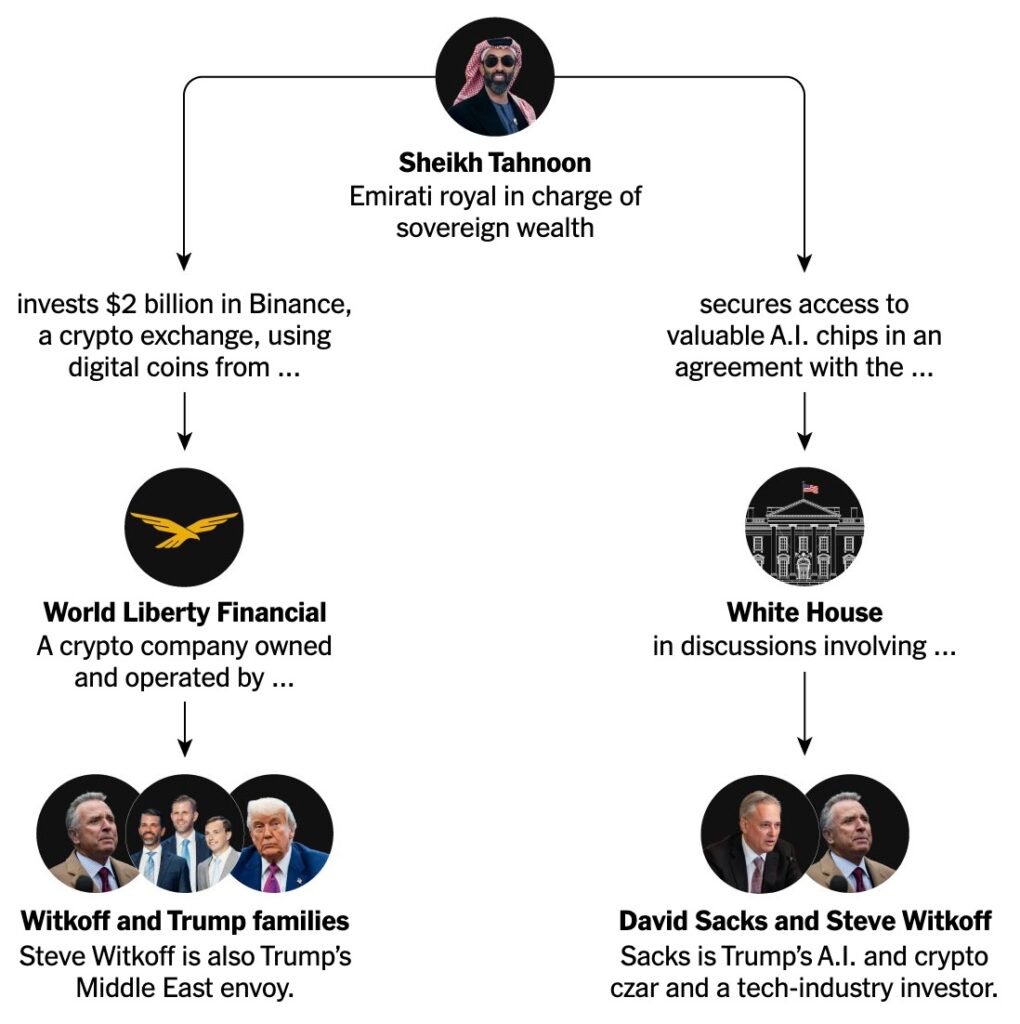
In May 2025, Trump was dispatched to Abu Dhabi where he signed a deal to supply US AI-chips, including NVIDIA processors, to the Abu Dhabi AI digital transformation hub. An associated agreement was made for US tech firms to collaborate on AI development in the Emirate and the wider UAE. Trump called the deal the “U.S.-U.A.E. A.I. Acceleration Partnership.”
In what was clearly a deal sweetener, just a couple of weeks prior to the Trump-UAE deal, Steve Witkoff, Trump’s Middle East envoy, met Sheikh Tahnoon bin Zayed Al Nahyan in Sardinia. Sheik Tahnoon is the Abu Dhabi Emir’s brother, UAE National Security Advisor, and CEO of MGX (Mubadala). Sheik Tahnoon agreed to invest $2 billion in World Liberty Financial, a cryptocurrency venture owned by the Witkoff and Trump families.
Though this looks like blatant corruption, the official fact-checkers have declared everything unimpeachable and have defined the truth for us. Any suggestions that this chain of events clearly evidences high level political corruption have all been officially labelled as “baseless rumours.”
Fact-checking heavyweight Snopes reliably informed us:
While the two deals happened within two weeks and there was an overlap of people who were involved in them, there was no evidence the first, between MGX and World Liberty Financial, was a direct bribe for the second deal, which involved the chips.
So, thankfully, the approved fact-checkers have answered all of our questions for us and that’s an end to the matter.
In the media-spun war of words, and that is evidently all it is, China has now reportedly banned the import of the NVIDIA RTX Pro 6000D—the successor to the H20. But China doesn’t need to import processors from the US because the UAE-China AI partnership, specifically the Abu Dhabi digital transformation hub, has a Trump administration agreement in place for the supply of the processors and it serves as a “crucial base for Chinese AI firms.”
The purported Stargate “competition” with DeepSeek AI looks more like a “partnership.” So what else might be going on here?
When Forbes reported the launch of Stargate on January 2025, its journalists said the “details of the venture are unclear at this early stage.” Why they made this claim is perplexing. The details were not unclear. In November 2024, Sam Altman’s OpenAI, the driving force behind Stargate, announced its “blueprint for U.S. AI infrastructure.”
AI in America: OpenAI’s Economic Blueprint, is Stargate mapped out. This was published before the official White House Stargate announcement and there was no need for any journalist to be “unclear” about any aspect of it.
The “Blueprint” talks about the need to merge “private-sector vision and innovation with public-sector enlightenment to unlock the new technology;” a plan for “building the infrastructure needed to produce enough energy;” investment to develop “the next generation of energy technology, including sustainable sources such as fission, fusion, and other promising technologies;” and it notes the need for “common-sense rules” to help “innovators thrive by encouraging investment [. . .] and greater freedom.”
The NRx technocrat “Blueprint” also defines the alleged need for Freedom Cities:
We need a foundational strategy to ensure that investment in infrastructure benefits the most people possible and maximizes access to AI. This includes policies and initiatives that encourage rather than stifle developers; support a thriving AI-ready workforce and ecosystems of labs, start-ups and larger companies; and secure America’s leadership on AI into the future, such as:
AI Economic Zones, created by local, state and the federal government together with industry, that significantly speed up the permitting processes for building AI infrastructure like new solar arrays, wind farms and nuclear reactors.
These will be what Bloomberg calls “towns free from state law and most federal rules.” Just as the plan for Freedom Cities in the US preceded Stargate, the UK’s deal with Blackrock to develop “freeports” in the UK (see Part 1) had preceded the rollout of the NRx technocrats’ UK Stargate project. It is the same NRx technocrat network imposing the same SEZ-based independent jurisdiction model wherever you look.
Mark Lutter, for example, serves on the board of the Frontier Foundation that was set up to promote the Freedom City initiative in the US. As we discussed in Part 1, Lutter is also the founder and Executive Director of the Charter Cities Institute which states it is proud to support the development of Freedom Cities in the US.Titus Gebel, who wants to profit from migrants and refugees, works closely with Lutter. As previously noted, Lutter served as the head economist for NeWAY Capital and Gebel is a NeWay Capital Partner.
Nick Allen, President of the Frontier Foundation and Lutter’s colleague, is very eager to make use of Trump’s SWF grift and toldWIREDthat federal land close to cities like Boise, Idaho; Grand Junction, Colorado; and Redmond, Oregon would be great places to build gov-corp Technates.
Speaking on behalf of the Frontier Foundation, Allen added:
If we’re able to get a legislative transfer of land from the US government to make a public-private partnership, or a trust, or even a private corporation, then it’s a lower cost of capital. [. . .] There’s so much capital and there’s so much political will, but yet there’s an inability to develop these [frontier] technologies. And the inability comes from lack of space and too many regulations.
NeWay capital established the Freedom Cities Coalition (FCC) which promotes the idea of Freedom Cities as “Cities Without Limits.” This means towns and cities where there are no regulation and oligarchs are free to do what they please. In addition to NeWay Capital, the FCC is also backed by Pronomos Capital led by NRx Technocrats Peter Thiel, Marc Andreessen, and Joe Lonsdale.
The FCC claims that Freedom Cities or, in Stargate terminology, “AI Economic Zones,” represent “America’s boldest solution to unleash our nation’s full potential.” They will be constructed in “zones of regulatory clarity” which will be “specially designated areas” where “entrepreneurs” can “move at the speed of human ingenuity” without having to bother with any overbearing federal laws or regulations.
The FCC adds:
Freedom Cities are more than just economic zones. [. . .] Imagine communities where housing is abundant and affordable, [. . .] where breakthrough technologies move from lab to market at lightning speed because innovators are free to innovate. This is how we’ll overcome stagnation, outcompete China, and create a new American century. Freedom Cities give us the chance to prove once again what Americans can achieve when we’re unshackled from outdated systems and empowered to build the future.
With regard to where the Freedom Cities will be built, the FCC notes:
28% Of US land is federally owned and ready for innovative development.
If the Trump administration’s SWF plans proceed, this will open the door for NRx technocrats and other oligarchs to buy up US territory to build their gov-corp Technates. The political will certainly appears to be there.
Trump’s long-time economic advisor Stephen Moore supports the city-state model. Moore is the former chief economist at the Heritage Foundation, which was behind Project 2025’s Promise to America.
The Trump administration came to power promising to tackle the pernicious influence of “American elites” and was therefore eager to distance itself from the Heritage Foundation’s Project 2025 “Promise,” which was funded by the Koch and Bradley families, among other so-called American elites. Regardless, most of Trump’s Executive Orders, issued when he came to power for the second time, were practically written by the Heritage Foundation’s Project 2025.
The same group of American elites are also behind the State Policy Network (SPN) that proposed the “Compact For America” shortly before Trump’s first US election win in 2016. What Trump termed Freedom Cities in 2023, the Compact for America, whose National Spokesman was Stephen Moore, called Prosperity Districts in 2015. The terminology has changed, but the intention to create gov-corp Technates in the US has not.
As we discussed in Part 1, just as the “authority” is formed to oversee the independent jurisdiction of a Special Economic Zone (SEZ), so the Prosperity District (PD) would be the authority that rules within the jurisdictional boundaries permitted by amenable “Prosperity States” within the US.
Once approved, the PD would wield policing powers, it would control all “municipal services” through public-private partnerships, and set all regulations within its jurisdiction. Just as with the “authority” ruling an SEZ, the PD would expand by petitioning the willing State to expand itself:
The formation or expansion of the PD replaces, within its boundaries, all state laws above the baseline of the state constitution, common law, criminal law and existing compacts. The PDs created within Prosperity States liberate residents, transforming states into strongholds of free markets, federalism and limited government once again.
Safe to say, Trump did not come up with the notion of the Freedom City. It is simply the rebranding for the oligarchs’ Prosperity District idea. The gov-corp Technate has been the NRx technocrat’s favoured path to corporate “prosperity” and social control for more than a decade at this point.
During its first term, the Trump administration tried to put Stephen Moore on the board of the Federal Reserve to ensure favourable monetary policy suited to the formation of Prosperity Districts. The Democratic wing of the Establishment reacted strongly against Moore’s possible appointment and the bid did not succeed. With their second Trump term underway, the NRx Technocrats—the Silicon Valley-based new breed of American elites—have joined forces with their more traditional oligarch partners for the same ends: to build Freedom Cities, Prosperity Districts, SEZs, gov-corp Technates, call them what you like.
The US intelligence community is also onboard. This isn’t surprising given that NRx technocrat’s corporations, such as Peter Thiel’s Palantir and Larry Ellison’s Oracle, have deep ties with US intelligence.
America’s Frontier Fund (AFF), is a supposedly a “nonprofit” venture capital operation with a nonprofit foundation, backed by Bilderbergers Eric Schmidt and Peter Thiel. The AFF is essentially an impact investment cut-out of the US intelligence and national security apparatus. It was founded and is currently led by Gilman Louie. He is the “former” CEO of the CIA’s investment arm In-Q-Tel (1999 – 2006) and thereafter acted as a defence, national security and intelligence advisor for the US government. Notably, Louie was at the helm of In-Q-Tel when it “accelerated” the startup called Palantir.

The AFF’s aim is to harness the “promise of frontier technology.” This is the same “frontier technology” that the UN’s “New Urban Agenda” is based upon, with a view of constructing smart city-states the world over. It is not a coincidence that it is also precisely the same “frontier technology” that the NRx technocrats behind the AFF want to use to enslave humanity. It is, after all, part of the same, global gov-corp Technate plan.
The global agenda, moving us toward digital slavery, is impregnable and is not something any of us can vote are way out of. Our only realistic option is not to comply with the adoption of the “smart” frontier technology people like Gilman Louie, and his intelligence linked network of NRx technocrats want us to adopt.
This entire, global, gov-corp Technate project could not be more anti-democratic. The Dark Enlightenment and the Technocracy favoured by the NRx technocrats represent the zenith of totalitarian ideology. Their oligarch partners enthusiasm to adopt the same Patchwork of city-states is equally born from the desire to control everyone and everything.
Schmidt, Thiel, and Louie were instrumental in setting up the AFF under the previous Biden administration. It would be a mistake to imagine the global agenda to entrap us in smart city-states is a partisan issue. The squabbles we see, such as Democrat opposition to the appointment of Moore to the Fed, are just that: petty squabbles among the ranks.
In 2024, the Future Union, which seeks to “fuse private sector capitalism” with political authority, declared Gilman Louie the “top investor supporting democracy.” Louie narrowly pipped other egalitarian, democracy-loving NRx technocrat investors, like Peter Thiel, Eric Shmidt, and Marc Andreessen, to the top prize. Were the intention of their accelerationist investment strategies not so malevolent we could perhaps laugh at the irony.
Source: Unlimited Hangout


Comments
Post a Comment